
Clinical services

Specialist rheumatology services in Pune

Services are organised around the three things that determine long-term outcome in rheumatic disease: getting the diagnosis right early, measuring disease activity objectively, and delivering immunosuppression safely over many years.

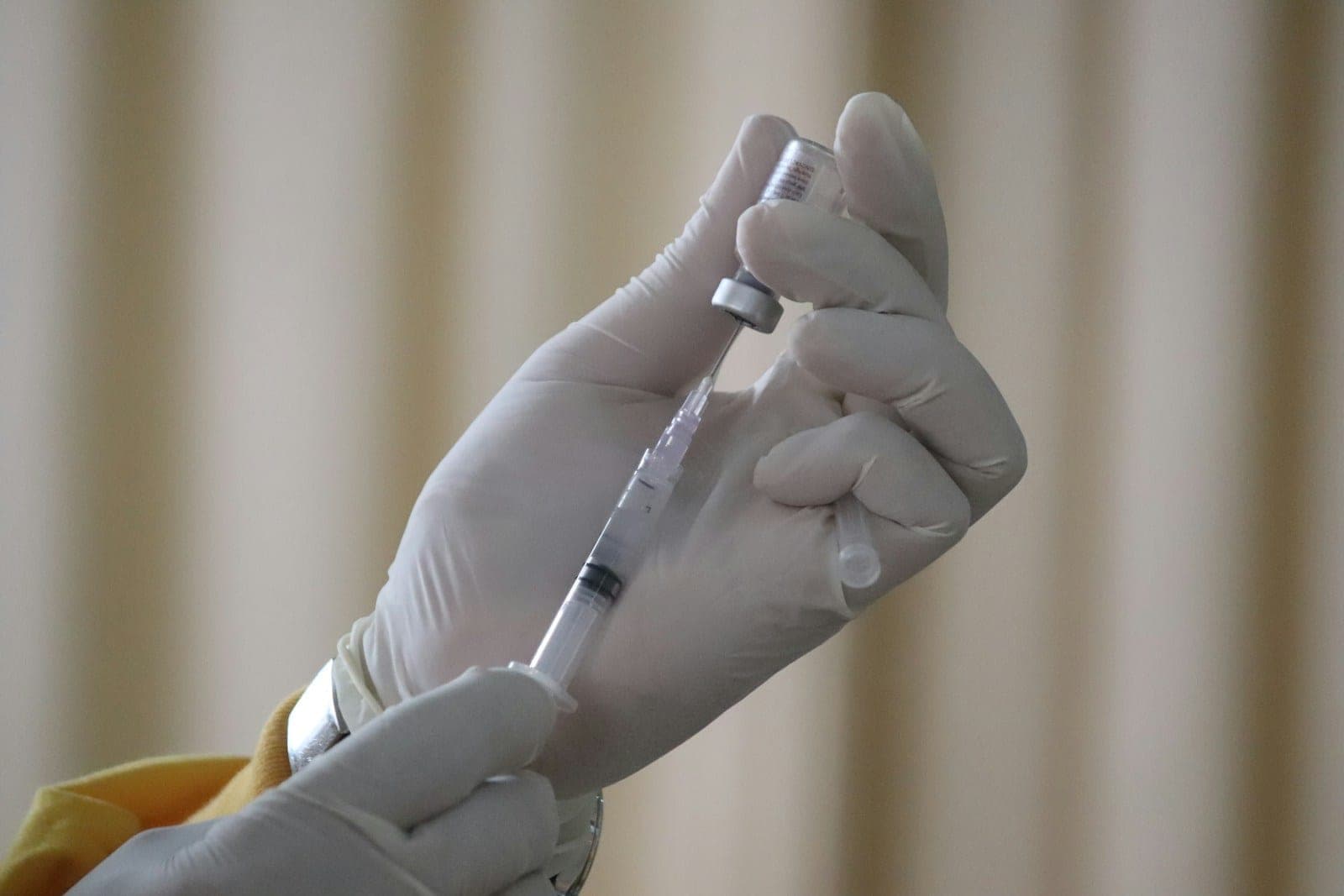
Gloved hands drawing medication from a vial in a laboratory settingIllustrative
Biologic therapy is prepared and monitored under strict infection-screening protocols.
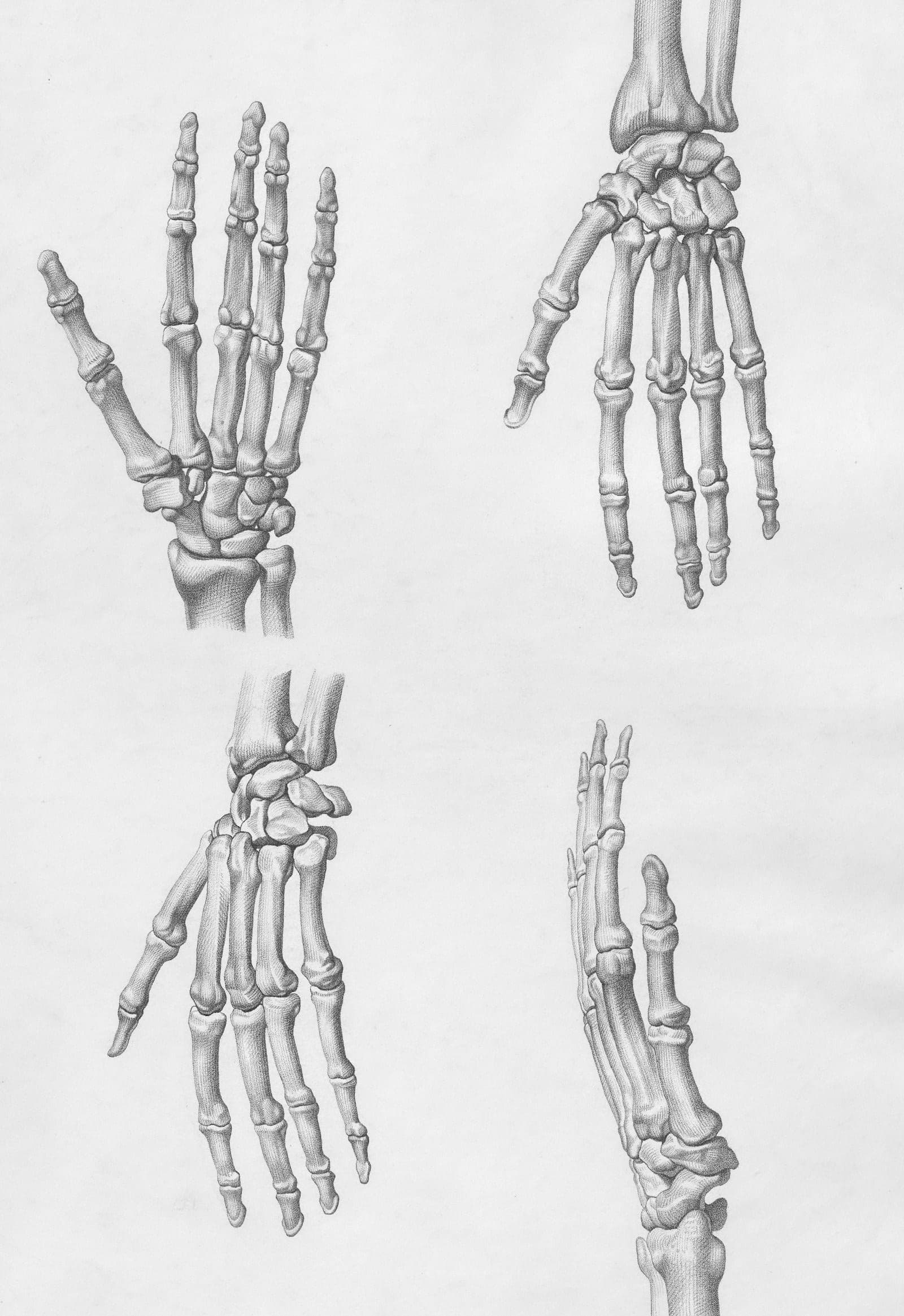
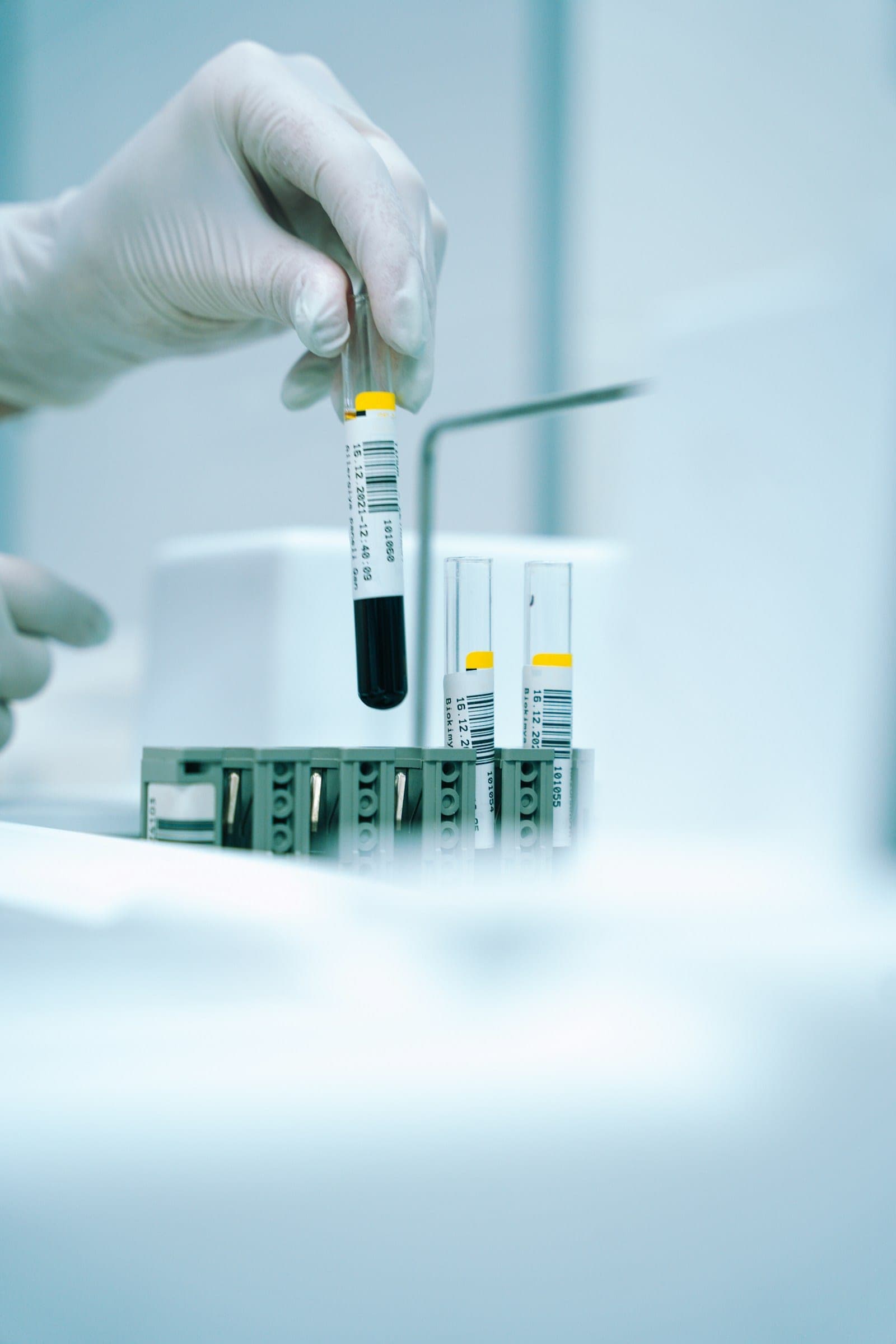
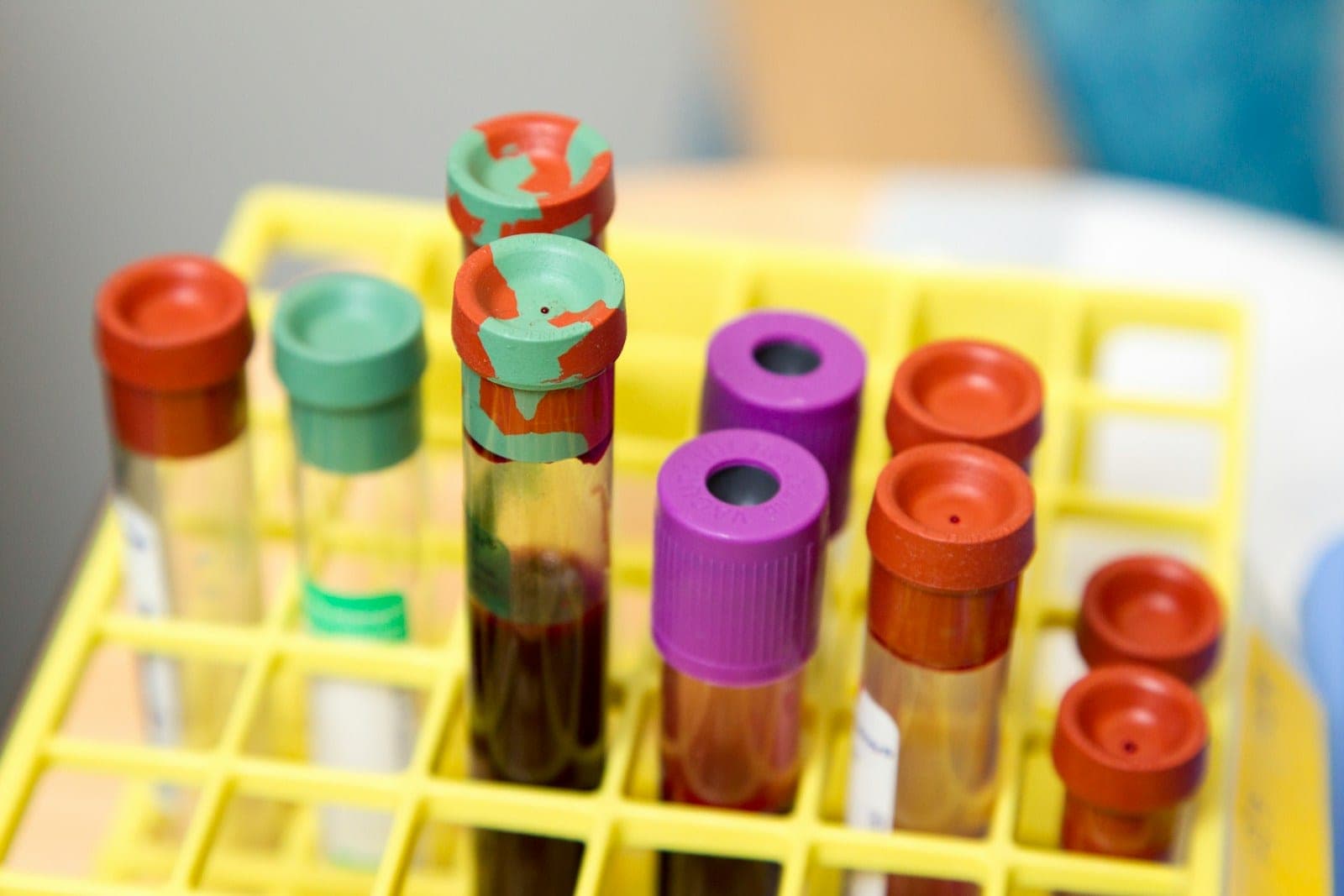
Blood sample tubes in a laboratory rackIllustrative
Anti-CCP, RF, ESR and CRP are ordered to answer a specific question — not as a routine panel.
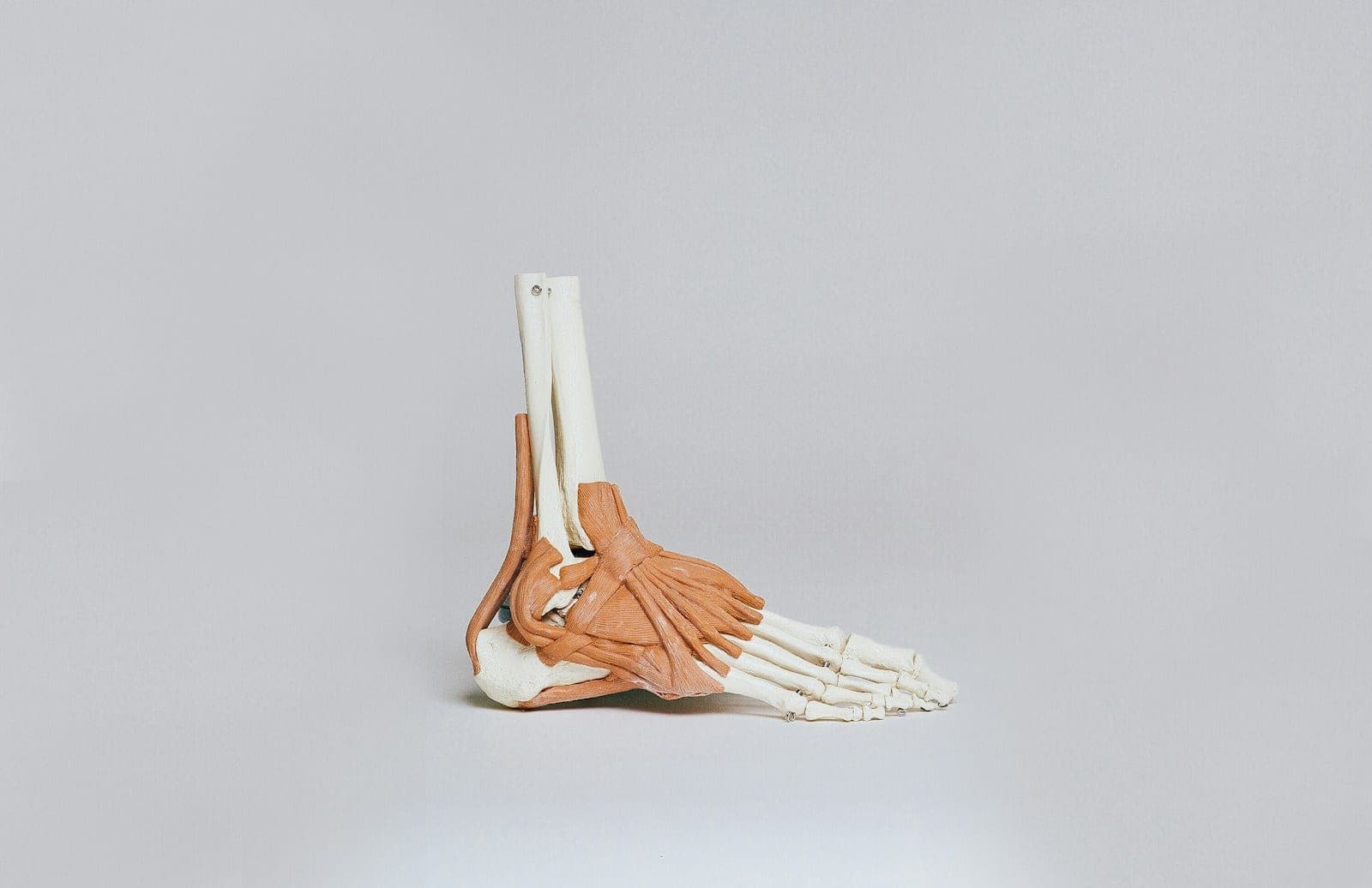
Hands holding light dumbbells during a strengthening exerciseIllustrative
Supervised strengthening relieves knee osteoarthritis about as well as anti-inflammatory drugs, without the risks.
01

Early Arthritis Clinic

Fast-track assessment for joint swelling present for less than 12 months.

The first three months of inflammatory arthritis are the highest-value window in all of rheumatology. Patients with new joint swelling are seen on a fast-track pathway with same-visit examination, bedside ultrasound where needed, and a definite plan rather than a wait-and-watch approach.

  • Priority appointment slots for new joint swelling under 12 months' duration
  • Structured 28-joint count documented at baseline for objective tracking
  • Anti-CCP, RF, ESR, CRP and safety screening ordered on the first visit
  • Treatment started at the visit the diagnosis is made, not weeks later
02

Autoimmune Disease Management

Long-term care for lupus, Sjögren's, myositis, scleroderma and overlap syndromes.

Connective tissue diseases affect many organs at once and change over time. Care is organised around a scheduled surveillance calendar — kidney, lung, heart and eye checks that happen on time whether or not the patient feels unwell — because the complications that matter most are silent early.

  • Full autoantibody profiling and subtype-specific risk mapping
  • Scheduled organ surveillance: urine at every visit, annual lung function and echocardiography where indicated
  • Coordination with nephrology, pulmonology, dermatology and ophthalmology
  • Written flare-action plans so patients know exactly when to call
03

Biologic & Targeted Therapy

Assessment, initiation and monitoring of biologic and JAK-inhibitor treatment.

Biologics and targeted synthetic DMARDs have transformed severe rheumatic disease, but they demand careful preparation. Every patient is screened for latent tuberculosis and hepatitis, vaccinated where possible, and given a clear monitoring schedule and infection-safety briefing before the first dose.

  • Latent TB (IGRA or Mantoux plus chest X-ray) and hepatitis B/C screening before initiation
  • Vaccination review and catch-up prior to immunosuppression
  • Biosimilar options discussed openly, including cost
  • Structured infusion or injection scheduling with defined monitoring bloods
04

Ultrasound-Guided Joint & Soft-Tissue Injection

Accurate, image-guided injections for joints, bursae and tendon sheaths.

Blind injections miss the target more often than most patients realise. Ultrasound guidance confirms needle placement, allows simultaneous aspiration for crystal analysis and culture, and makes injection of small or deep structures both safer and more effective.

  • Knee, shoulder, wrist, ankle, hip bursa and small-joint injections
  • Diagnostic aspiration with polarised microscopy and culture
  • Same-visit relief for a single stubbornly active joint
  • Clear limits set on how often steroid injection is repeated
05

Osteoporosis & Metabolic Bone Clinic

Fracture risk assessment, DEXA interpretation and long-term bone protection.

Bone loss is preventable and treatable, yet most Indian patients are only diagnosed after a fracture. This clinic assesses fracture risk formally, corrects vitamin D and calcium first, and selects therapy based on absolute risk rather than on the DEXA number alone.

  • DEXA interpretation with FRAX 10-year fracture risk calculation
  • Screening for secondary causes of bone loss
  • Bone protection started alongside — not after — long-term steroid therapy
  • Falls-prevention and resistance-training guidance
06

Gout & Uric Acid Clinic

Treat-to-target urate lowering that stops attacks permanently.

Most gout in India is treated only during attacks, which is why patients keep having them for decades. This clinic runs a treat-to-target protocol: urate is measured, therapy titrated to a defined number, and prophylaxis given during initiation so patients stay on treatment long enough to clear the crystals.

  • Crystal confirmation by joint aspiration where feasible
  • Allopurinol or febuxostat titrated to a serum urate target below 6 mg/dL
  • Colchicine prophylaxis during the first three to six months to prevent initiation flares
  • Review of diuretics, kidney function and cardiometabolic risk
07

Inflammatory Back Pain & Spondyloarthritis

For young adults whose back pain has been dismissed for years.

Back pain in a young adult that is worse at night, better with exercise and accompanied by long morning stiffness is inflammatory until proven otherwise. Sacroiliac MRI is used to make the diagnosis years before X-ray changes appear, so treatment starts while the spine is still fully mobile.

  • ASAS-criteria assessment for inflammatory back pain
  • Sacroiliac MRI interpretation and correct HLA-B27 contextualisation
  • BASDAI and ASDAS scoring to justify and track biologic therapy
  • Physiotherapy programme prescribed alongside medication, not instead of follow-up
08

Pregnancy & Rheumatic Disease

Pre-conception counselling and medication planning for autoimmune disease.

Most women with rheumatic disease can have healthy pregnancies — but the planning has to start months before conception, not after a positive test. Medication is switched to pregnancy-compatible options, disease is stabilised, and specific antibody risks are identified in advance.

  • Pre-conception review three to six months before trying to conceive
  • Washout and substitution of methotrexate, leflunomide and mycophenolate
  • Anti-Ro/La and antiphospholipid antibody risk assessment
  • Aspirin and heparin protocols for obstetric APS, with high-risk obstetric coordination
09

Teleconsultation & Follow-Up

Video review for stable patients, report interpretation and out-of-city follow-up.

Rheumatic disease needs regular review, which is difficult for patients travelling from outside Pune. Teleconsultation covers report interpretation, dose titration and flare triage for established patients, while first assessments and any visit needing examination or injection stay in person.

  • Suitable for stable follow-up, report review and medication adjustment
  • Reports can be shared ahead of the call for a properly prepared consultation
  • Digital prescription issued after the consultation
  • In-person review advised whenever examination or imaging is needed

Fees & practicalities

What to expect on cost and duration

Consultation fees vary with the hospital's current schedule — please confirm with reception when booking. What is fixed is the time allocated and the honesty about what treatment will cost over a year.

First consultation

Around 30–45 minutes. Full history, complete joint examination, review of any previous reports, and a written plan for investigation or treatment.

Follow-up review

Around 15–20 minutes. Disease activity scored, bloods reviewed, dose adjusted, and the next review date set explicitly.

Teleconsultation

For established patients. Share reports in advance so the call is spent on decisions rather than on reading. Digital prescription issued afterwards.

CallWhatsAppBook