In short
Gout is caused by monosodium urate crystals depositing in and around joints when blood uric acid stays persistently above roughly 6.8 mg/dL, the level at which urate saturates body fluid.
- Category
- Crystal & Metabolic
- Seen first as
- Sudden severe joint pain, often waking the patient in the early hours
- Treated with
- Treat the attack fast
What is Gout?
An attack is one of the most painful things in medicine: the joint becomes red, hot and so tender that a bedsheet is intolerable. It classically hits the base of the big toe (podagra), but the ankle, knee, wrist and fingers are also common.
Gout is genuinely curable in the sense that with sustained urate-lowering therapy the crystals dissolve, attacks stop permanently and tophi shrink away. Almost all treatment failure comes from treating only the attacks and never lowering the urate.
 Illustrative
In the Indian context
Reported gout prevalence in Indian COPCORD data is around 0.05%, but clinic experience suggests substantial under-diagnosis. Rising rates of obesity, metabolic syndrome, alcohol use and diuretic prescription are increasing the burden across urban Pune.
Symptoms of Gout
Early signs
- Sudden severe joint pain, often waking the patient in the early hours
- Redness, warmth and shiny skin over the joint, peaking within 12–24 hours
- Extreme tenderness — even light touch or bedding is unbearable
- The attack settles over 7–14 days even untreated, leaving the joint apparently normal
- Peeling or itching of skin over the joint as the attack resolves
If left untreated
- Tophi — chalky white nodules over the ear cartilage, elbows, fingers or Achilles tendon
- More frequent attacks involving more joints, with less complete recovery between them
- Chronic joint damage and deformity mimicking rheumatoid arthritis
- Kidney stones and reduced kidney function from urate nephropathy
- Draining tophi that ulcerate through the skin
Causes & risk factors
- Reduced renal excretion of urate, the mechanism in about 90% of patients, often genetic (URAT1 and SLC2A9 variants)
- Diuretics, especially thiazides, plus low-dose aspirin, ciclosporin and some anti-TB drugs
- Chronic kidney disease and metabolic syndrome
- Beer and spirits, and fructose-sweetened soft drinks
- High-purine intake: organ meat, red meat and shellfish
How Gout is diagnosed
No single test diagnoses a rheumatic disease. The diagnosis comes from combining the pattern of symptoms, the examination findings, and only the investigations that answer a specific question.
 Illustrative
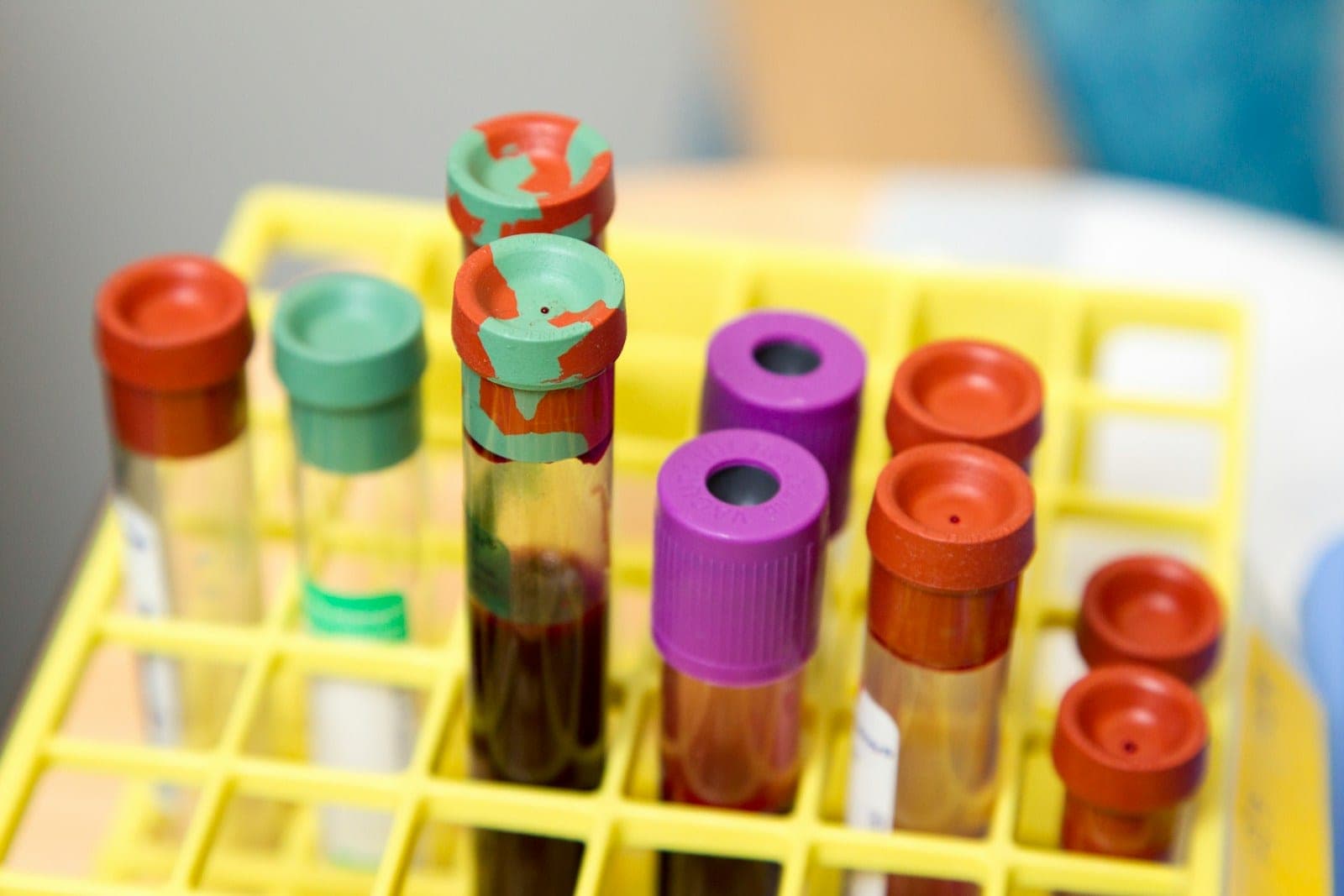
Joint fluid aspiration with polarised microscopy
The gold standard — needle-shaped, negatively birefringent urate crystals confirm the diagnosis definitively and simultaneously exclude infection.
Serum uric acid, timed correctly
Crucially, uric acid can be normal or low during an acute attack. Testing must be repeated at least two weeks after the attack settles, or gout gets wrongly excluded.
Ultrasound double-contour sign
A bright band of urate coating the cartilage surface, a non-invasive, highly specific sign of urate deposition, and useful for tracking crystal dissolution over time.
Dual-energy CT (DECT)
Colour-codes urate deposits without a needle. Valuable for atypical presentations and for demonstrating hidden tophus burden.
Metabolic and renal workup
Kidney function, lipids, HbA1c, blood pressure and a drug review — gout is a marker of cardiometabolic risk and often a signal to change a diuretic.
Treatment options
 Illustrative
Treat the attack fast
Low-dose colchicine, an NSAID, or a short steroid course started within the first 24 hours. Speed of initiation matters far more than choice of drug.
Urate-lowering therapy to a target
Allopurinol started low and titrated up, or febuxostat, aiming for serum urate below 6 mg/dL — or below 5 mg/dL where tophi are present. The dose is titrated to the number, not fixed at the starting dose.
Flare prophylaxis during initiation
Low-dose colchicine for the first three to six months of urate-lowering therapy. Skipping this causes early flares, which is why patients wrongly conclude allopurinol 'does not suit them' and stop.
HLA-B*58:01 awareness
This allele markedly raises the risk of severe allopurinol hypersensitivity and is more common in some Asian populations, a reason for cautious low-dose initiation and clear rash warnings.
Lifestyle and drug rationalisation
Weight reduction, cutting beer, spirits and sugary drinks, good hydration, and switching a thiazide to losartan or a calcium channel blocker where blood pressure allows.
Long-term crystal clearance
Therapy is lifelong. Urate stays below target for years while existing deposits dissolve — attacks then stop entirely and tophi visibly regress.
Medicine guides
How to take them, side effects, blood tests and pregnancy, for the medicines most often used for this condition.
Living with Gout
- Drink two to three litres of water daily unless your doctor has restricted fluids
- Cherries, low-fat dairy and vitamin C have modest urate-lowering effects
- Alcohol — particularly beer — is the most reliable single trigger to remove
- Do not stop urate-lowering therapy during an attack; that prolongs the problem
- Keep a rescue dose of the flare medication at home and at work for immediate use
Seek urgent medical attention if you have
- A single hot swollen joint with fever — septic arthritis can look identical and is an emergency
- Any rash appearing after starting allopurinol — stop the drug and seek review immediately
- Loin pain or blood in urine suggesting urate stones
- Ulcerating or discharging tophi
- Rapidly rising creatinine
Do not wait for a scheduled appointment for any of the above. Call the clinic on +91 70571 19999 or attend the nearest emergency department.
Frequently asked questions about Gout
My uric acid is high but I have no pain. Do I need treatment?
Should I stop dal, tomatoes and spinach?
Why did my gout get worse after starting allopurinol?
Can gout be cured permanently?
Get an expert opinion on Gout in Pune
Consultations at the Ravet clinic in Pimpri-Chinchwad. Bring your previous reports — a properly reviewed history usually saves repeating tests.
Part of a wider group
Gout & Crystal ArthritisThe most curable arthritis there is, and the most commonly mistreated.How gout is treated at the clinic
Gout is managed under gout & crystal arthritis — the same pathway, targets and monitoring schedule described in full on that page.
Related conditions
Pseudogout (CPPD)
Gout's mimic — same fury, different crystal, different treatment.
Osteoarthritis
India's most common joint disease, and far more treatable than 'nothing can be done'.
Rheumatoid Arthritis
Symmetric small-joint swelling that responds best when treated within the first 12 weeks.