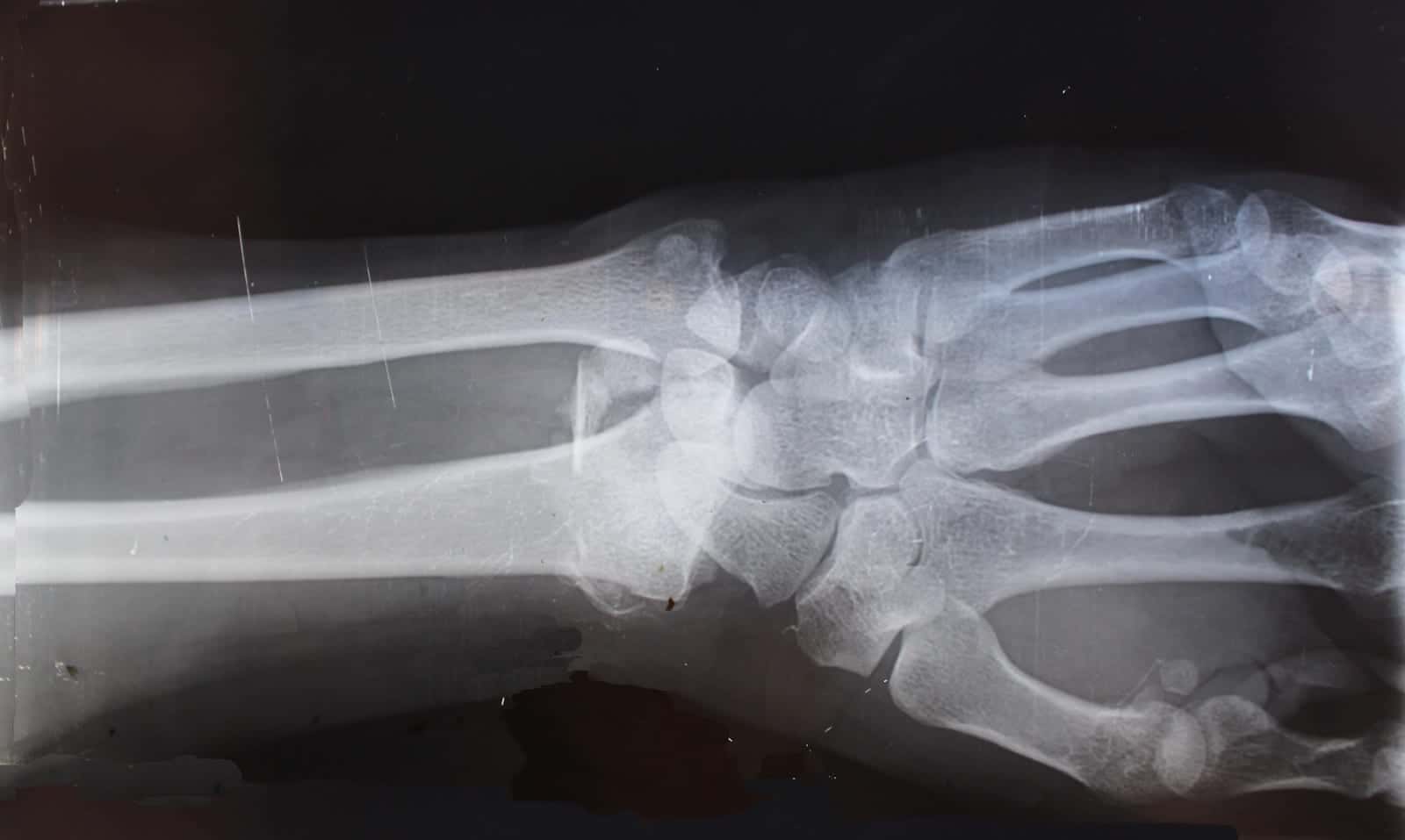
In short
Rheumatoid arthritis is a chronic autoimmune disease in which the immune system attacks the synovium, the thin lining of the joint capsule. The synovium thickens, floods the joint with inflammatory cells, and over time erodes cartilage and bone.
- Category
- Inflammatory Arthritis
- Seen first as
- Morning stiffness in the hands lasting longer than 30–60 minutes
- Treated with
- Treat-to-target strategy
What is Rheumatoid Arthritis?
RA is not 'wear and tear'. It is systemic: it can inflame the lungs, eyes, blood vessels and heart, and it roughly doubles cardiovascular risk if left uncontrolled. That is why it is treated as a whole-body disease, not just a joint problem.
The single most important fact for patients is that there is a therapeutic window. Disease-modifying treatment started within the first three months of symptom onset gives a substantially higher chance of sustained remission and of never developing joint deformity.
 Illustrative
In the Indian context
WHO-ILAR COPCORD surveys across 12 Indian sites (over 55,000 people) put rheumatoid arthritis prevalence at roughly 0.34% of the adult population, close to four million Indians. Diagnosis is still frequently delayed by one to two years, most often because early symptoms are attributed to 'gas', calcium deficiency or routine overuse.
Symptoms of Rheumatoid Arthritis
Early signs
- Morning stiffness in the hands lasting longer than 30–60 minutes
- Swelling of the small joints of fingers (MCP, PIP) and toes (MTP), usually on both sides
- Difficulty making a full fist, opening jars, or wringing out clothes
- Squeeze tenderness across the knuckles or across the ball of the foot
- Unexplained fatigue, low-grade fever or weight loss preceding joint pain
If left untreated
- Ulnar deviation, swan-neck or boutonnière deformity of the fingers
- Rheumatoid nodules over the elbows and pressure points
- Dry, gritty eyes and dry mouth (secondary Sjögren's syndrome)
- Breathlessness or dry cough from interstitial lung disease
- Neck pain or arm tingling from cervical spine involvement
Causes & risk factors
- Genetic susceptibility — HLA-DRB1 'shared epitope' alleles carry the strongest known risk
- Smoking and biomass or industrial smoke exposure, which drive citrullination of proteins in the lung
- Periodontal disease (Porphyromonas gingivalis) and gut microbiome disturbance
- Female sex and hormonal transitions. Women are affected roughly three times as often as men
- Obesity, which both raises risk and blunts treatment response
How Rheumatoid Arthritis is diagnosed
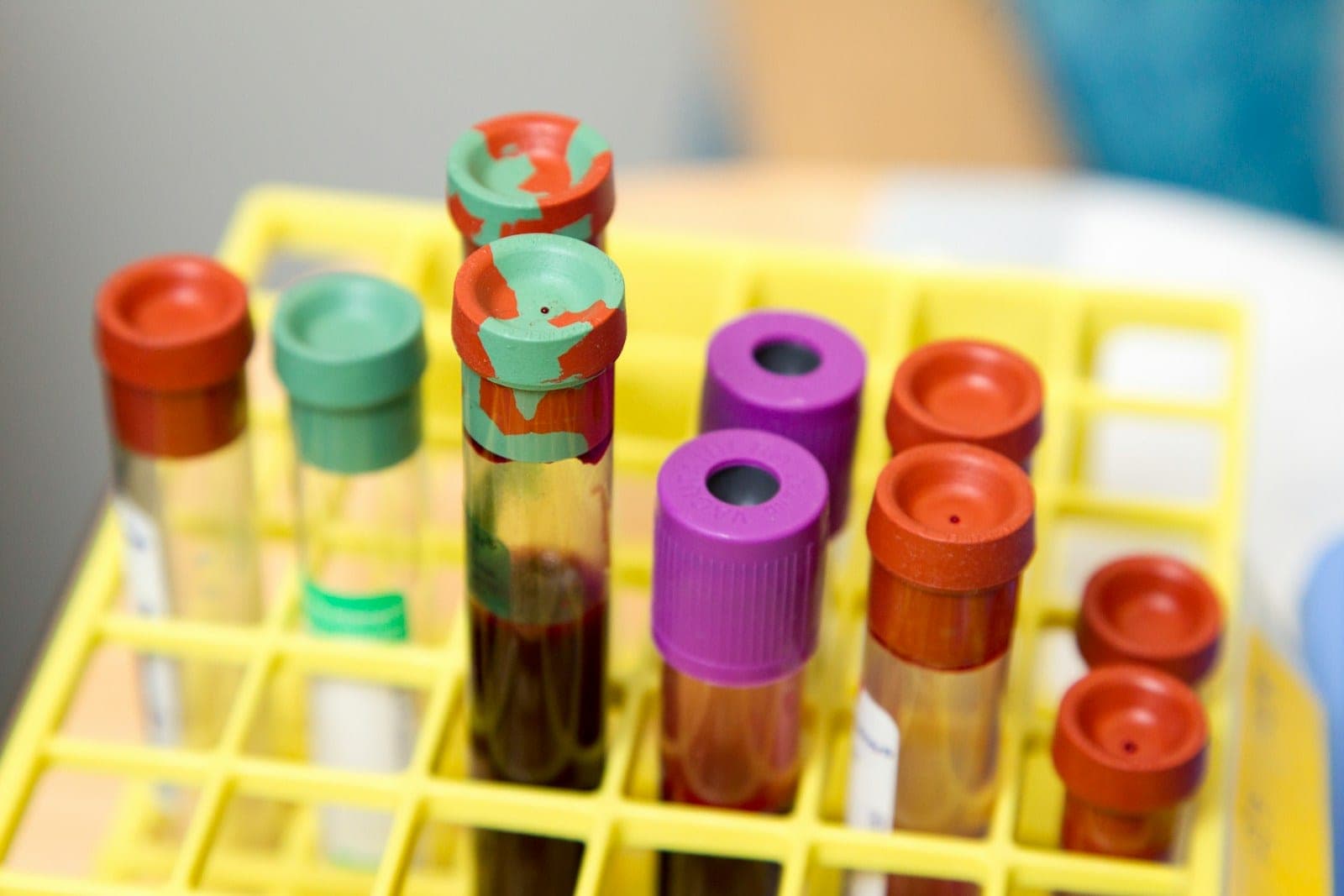
No single test diagnoses a rheumatic disease. The diagnosis comes from combining the pattern of symptoms, the examination findings, and only the investigations that answer a specific question.
 Illustrative
Structured clinical joint count
A 28- or 66/68-joint examination documents exactly which joints are swollen and tender. This is what makes objective treat-to-target tracking possible at every later visit.
Anti-CCP antibody (ACPA)
The most specific blood test for RA, around 95% specificity. It can turn positive years before the first swollen joint and predicts more erosive disease.
Rheumatoid factor (RF)
Supportive but far less specific. RF is also raised in hepatitis C, chronic infection and in some healthy older adults. A negative RF never rules RA out.
ESR and CRP
Inflammatory markers used to grade activity at baseline and to measure response to treatment at each follow-up.
Musculoskeletal ultrasound with Power Doppler
Detects synovitis and early erosions that plain X-rays miss entirely. Doppler signal confirms the swelling is truly inflammatory rather than mechanical.
Baseline X-rays and safety screening
Hand and foot X-rays as a baseline, plus hepatitis B/C, latent TB (Mantoux or IGRA with chest X-ray), liver and kidney function before immunosuppression, a critical step in India given background TB prevalence.
Treatment options
 Illustrative
Treat-to-target strategy
A defined target — remission or low disease activity — is set at the first visit, and therapy is escalated every 4–12 weeks using DAS28 or CDAI scores until it is reached. This strategy, rather than any single drug, is what changed RA outcomes worldwide.
Conventional DMARDs
Methotrexate remains the anchor drug, usually weekly with folic acid supplementation. Leflunomide, sulfasalazine and hydroxychloroquine are used alone or as triple therapy, which is highly cost-effective in the Indian setting.
Biologic DMARDs
TNF inhibitors, IL-6 receptor blockers, rituximab and abatacept for disease that fails conventional DMARDs. Indian biosimilars have made these dramatically more affordable than a decade ago.
Targeted synthetic DMARDs (JAK inhibitors)
Oral tofacitinib, baricitinib and upadacitinib, useful where injections are impractical, after careful cardiovascular, clotting and infection risk assessment.
Short-course corticosteroids
Used as a deliberate bridge for 6–12 weeks while DMARDs take effect, then tapered off. Long-term steroids are avoided. They cause the diabetes, osteoporosis and cataract that patients most fear.
Ultrasound-guided intra-articular injection
For one or two joints that remain stubbornly active while the rest of the disease is controlled, targeted relief without escalating systemic therapy.
Structured rehabilitation and bone protection
Hand therapy, graded exercise, footwear and orthotic advice, plus vitamin D, calcium and osteoporosis screening for anyone on steroids.
Medicine guides
How to take them, side effects, blood tests and pregnancy, for the medicines most often used for this condition.
Living with Rheumatoid Arthritis
- Complete smoking cessation. It improves drug response measurably, not just general health
- Low-impact aerobic work (swimming, cycling, brisk walking) for 150 minutes a week protects both joints and heart
- Annual influenza and pneumococcal vaccination, plus zoster vaccination where indicated, ideally before starting immunosuppression
- Blood pressure, lipid and sugar checks yearly. RA is an independent cardiovascular risk factor
- Bring your medication list and previous reports to every visit so escalation decisions are made on data, not memory
Seek urgent medical attention if you have
- New breathlessness or a persistent dry cough while on DMARDs
- Fever with a swollen, hot, exquisitely painful single joint. Septic arthritis must be excluded urgently
- Neck pain with tingling, weakness or clumsiness in the hands
- Sudden painless loss of vision, or a red painful eye
- Any infection while on biologics or JAK inhibitors. Contact the clinic before self-medicating
Do not wait for a scheduled appointment for any of the above. Call the clinic on +91 70571 19999 or attend the nearest emergency department.
Frequently asked questions about Rheumatoid Arthritis
Is rheumatoid arthritis curable?
Is methotrexate dangerous? I have heard it is a cancer drug.
Will I definitely need biologics?
Can diet control my RA?
Can I plan a pregnancy with RA?
Get an expert opinion on Rheumatoid Arthritis in Pune
Consultations at the Ravet clinic in Pimpri-Chinchwad. Bring your previous reports — a properly reviewed history usually saves repeating tests.
Part of a wider group
Inflammatory ArthritisJoint swelling that is driven by the immune system, not by wear.How rheumatoid arthritis is treated at the clinic
Rheumatoid Arthritis is managed under inflammatory arthritis — the same pathway, targets and monitoring schedule described in full on that page.
Related conditions
Psoriatic Arthritis
When psoriasis moves into the joints, often years after the first skin patch.
Lupus (SLE)
A multi-system autoimmune disease where early kidney screening changes the entire prognosis.
Sjögren's Syndrome
Dry eyes and dry mouth that deserve investigation rather than eye drops alone.
Osteoporosis
Silent until the first fracture, which is exactly why it should be screened for, not waited for.