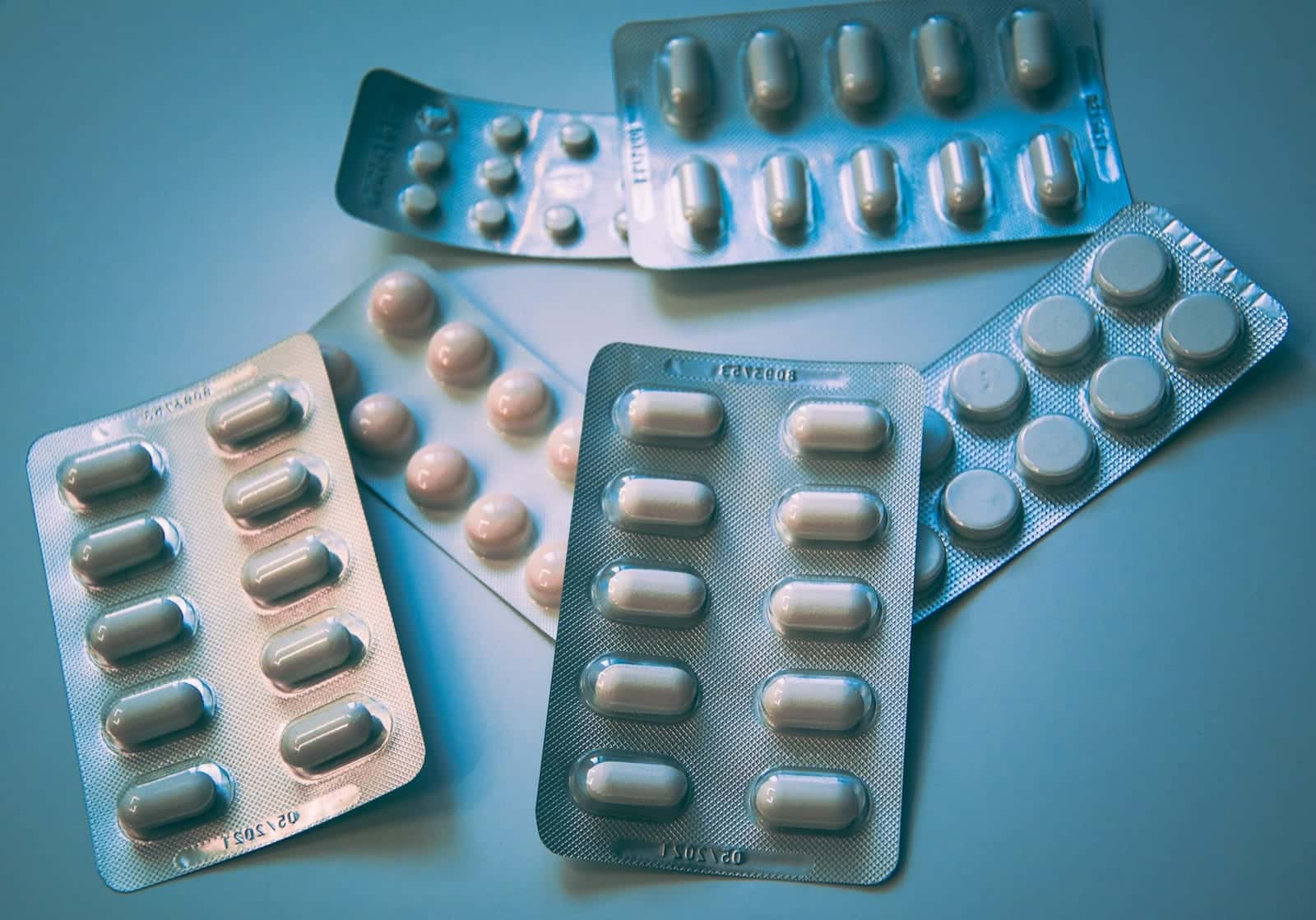
Leflunomide is a DMARD used when methotrexate is not suitable or not enough on its own. It reduces the multiplication of the immune cells that drive joint inflammation.
How long it takes
Usually 4 to 12 weeks.
How to take it
- One tablet daily, at the same time each day.
- It can be taken with or without food.
Common side effects
Most are mild and many settle. Mention them at your next visit; there is often a simple fix.
- Loose stools or diarrhoea, which often settle
- Nausea
- Hair thinning
- A rise in blood pressure
- Weight loss
Call the clinic the same day if you have
- Fever or signs of infection
- A new cough or breathlessness
- Yellowing of the eyes or skin, or dark urine
- Numbness or tingling in the hands or feet
Clinic: +91 70571 19999. If you are very unwell, go to the nearest emergency department and take your medicine strip with you.
Blood tests & checks
- Blood count, liver tests, blood pressure and weight every 2 to 4 weeks for the first six months
- Then every 8 to 12 weeks once stable
Pregnancy & family planning
- Leflunomide must not be taken in pregnancy. Use reliable contraception throughout treatment.
- It stays in the body for up to two years after the last tablet. Before trying to conceive, a short 'washout' course of another medicine removes it, followed by a blood test to confirm the level is low enough.
- If you become pregnant while taking it, stop it and contact the clinic straight away. The washout can be started immediately.
- Men planning to father a child should discuss it with their rheumatologist.
Alcohol, infections, vaccines & other medicines
Alcohol
Keep alcohol to a minimum. Leflunomide can affect the liver, especially combined with methotrexate.
Infections and vaccines
If you develop a significant infection, contact the clinic. Inactivated vaccines are safe; live vaccines need discussion first.
Questions patients ask
Why is the washout needed if I have already stopped the tablets?
Leflunomide is recycled through the gut and liver, so it lingers for many months. The washout medicine breaks that cycle in about eleven days.