About the doctor
Dr. Abhijeet Bhosikar
Consultant Physician & Rheumatologist
MBBS, MD (General Medicine), DNB (General Medicine), FCIR
Rheumatology sits at the intersection of internal medicine and immunology. It deals with diseases that are systemic, slow to declare themselves, and easy to misread as ordinary aches — which is precisely why the speciality exists and why the training behind it matters.
Background
Training and clinical focus
Dr. Abhijeet Bhosikar is a Consultant Physician and Rheumatologist practising in Pune. His training path — MBBS, followed by MD in General Medicine, DNB in General Medicine, and then a Fellowship in Clinical Immunology and Rheumatology (FCIR) — means he approaches rheumatic disease first as a physician and then as a sub-specialist.
That sequence matters more than it might appear. Autoimmune disease rarely stays inside the joints. Lupus reaches the kidneys, rheumatoid arthritis reaches the lungs and the heart, scleroderma reaches the gut and the pulmonary circulation, and vasculitis can reach anything. A rheumatologist grounded in internal medicine is better placed to recognise when a joint complaint is actually a systemic problem — and equally, when an alarming-looking blood test needs reassurance rather than treatment.
With over 7 years in clinical practice, his work centres on early inflammatory arthritis, connective tissue disease, spondyloarthritis, crystal arthritis and metabolic bone disease. Consultations are conducted in English, Hindi and Marathi.
A note on how the clinic works
Two things shape practice here. The first is that rheumatology outcomes are decided by time — the earlier disease-modifying treatment starts, the more joint structure is preserved permanently. The second is that these are lifelong conditions, so the plan has to be one a patient can actually sustain: affordable, monitored, and explained well enough that it survives contact with well-meaning advice from relatives and the internet.
Practically, that means objective disease-activity scoring at every visit, written plans rather than verbal instructions, honest conversation about cost before expensive therapy starts, and a low threshold for saying “this is not an autoimmune disease and you do not need immunosuppression” when that is the truth.

Why the sub-speciality exists
Autoimmune disease rarely stays inside the joint it announced itself in
Lupus reaches the kidneys, rheumatoid arthritis the lungs and heart, scleroderma the gut and pulmonary circulation. Training in internal medicine before rheumatology is what makes those connections visible rather than incidental.
Areas of expertise
Sub-speciality focus within rheumatology
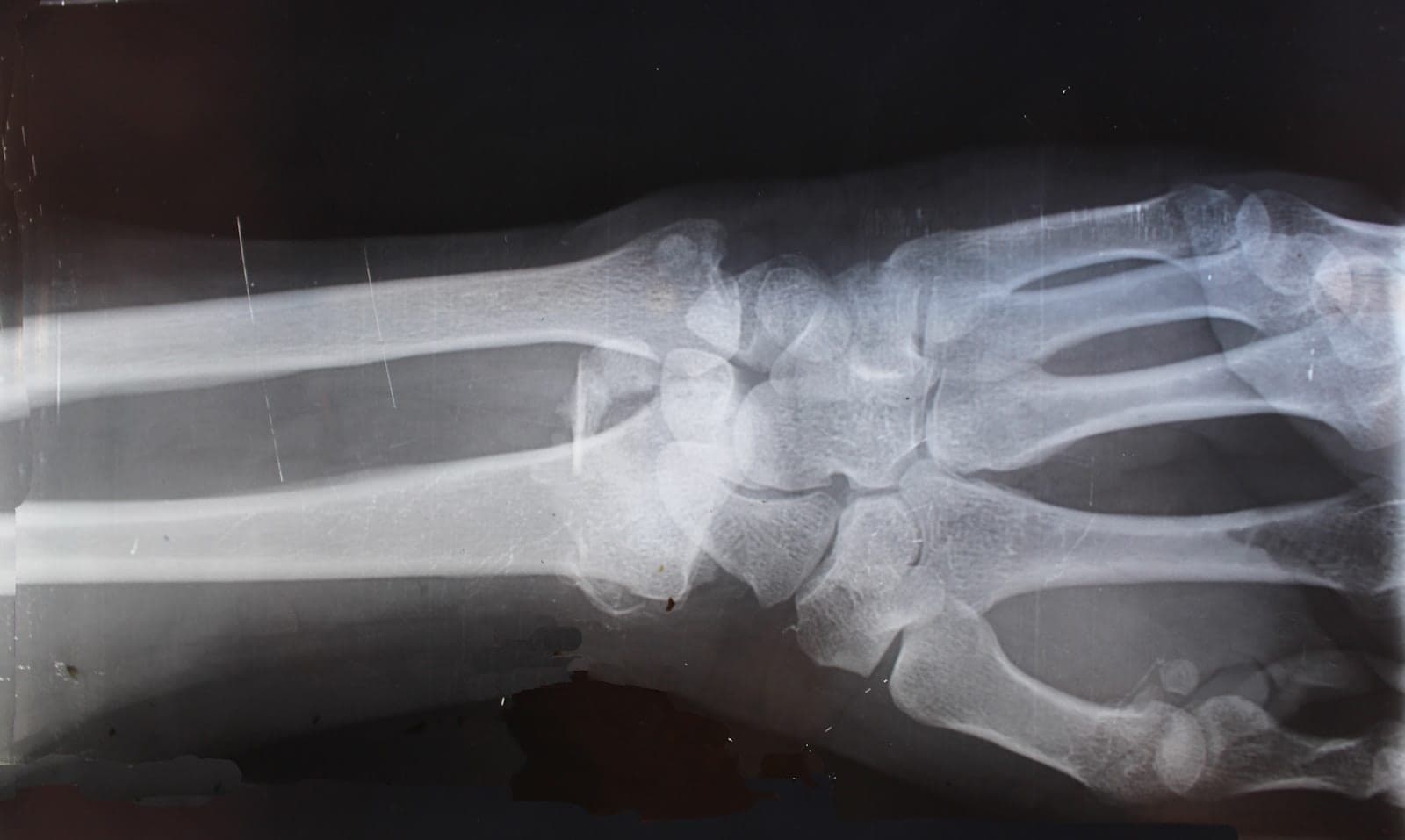
Rheumatology covers more than a hundred diagnoses. No one sees them all in equal number, and these are the ones that fill this clinic's week.
 Illustrative
 Illustrative
Inflammatory arthritis & early arthritis clinics
Connective tissue disease (lupus, Sjögren's, myositis, scleroderma)
Spondyloarthritis & inflammatory back pain
Crystal arthritis (gout & pseudogout)
Vasculitis & autoimmune multi-system disease
Biologic & targeted synthetic DMARD therapy
Metabolic bone disease & osteoporosis
Ultrasound-guided joint & soft-tissue injections
Not sure whether you need a rheumatologist?
Read the patient guide — it explains which symptoms warrant a specialist opinion, what to bring to a first visit, and how the common blood tests are actually interpreted.