In short
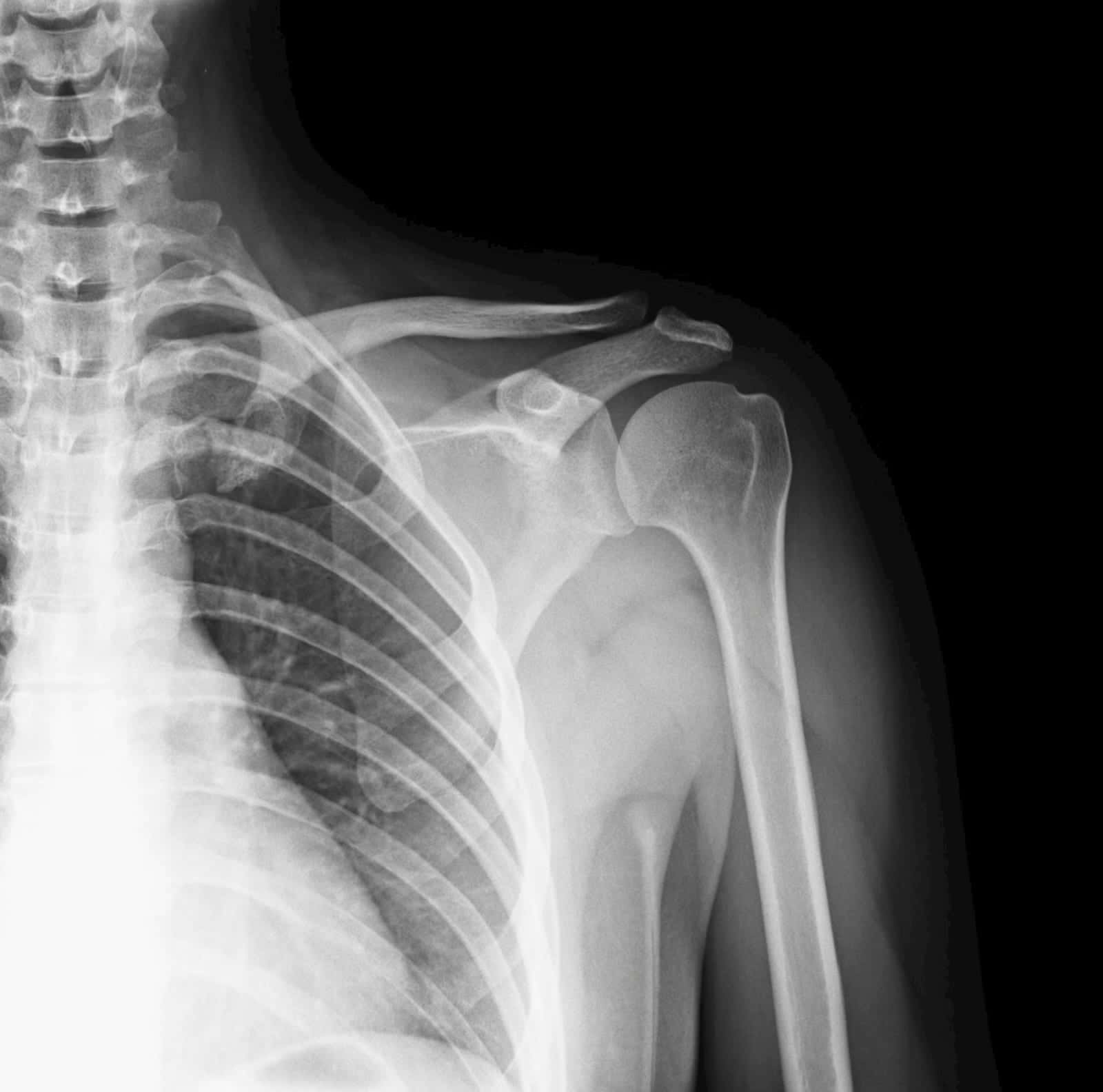
Osteoporosis is a reduction in bone mass and deterioration of bone microarchitecture, leaving bone fragile and prone to fracture from trivial force, a fall from standing height, a cough, or bending to lift a bucket.
- Category
- Bone & Soft Tissue
- Seen first as
- Usually completely silent — no pain, no warning
- Treated with
- Correct vitamin D and calcium first
What is Osteoporosis?
It causes no symptoms until a fracture occurs. Hip fractures in older adults carry substantial one-year mortality and loss of independence, and vertebral fractures cause height loss, stooping and chronic pain.
Rheumatologists see osteoporosis constantly, because inflammatory disease and long-term steroid therapy are two of its most powerful causes, and because it is highly preventable once identified.
 Illustrative
In the Indian context
Osteoporosis presents roughly a decade earlier in Indian patients than in Western populations. Widespread vitamin D deficiency despite abundant sunlight — driven by indoor work, covering clothing, air pollution and low dietary calcium — is a major contributor.
Symptoms of Osteoporosis
Early signs
- Usually completely silent — no pain, no warning
- Gradual loss of height, more than 3 cm from peak adult height
- Increasing forward stoop of the upper back (kyphosis)
- Persistent mid-back ache from undetected vertebral compression
- A fracture from a fall that should not have caused one
Causes & risk factors
- Post-menopausal oestrogen loss, the single biggest driver in women
- Long-term corticosteroid therapy; as little as 5 mg prednisolone daily for three months raises risk
- Chronic inflammatory disease: rheumatoid arthritis, ankylosing spondylitis, lupus, IBD
- Vitamin D deficiency, low dietary calcium, low body weight and poor protein intake
- Smoking, excess alcohol, thyroid and parathyroid disease, early menopause and immobility
How Osteoporosis is diagnosed
No single test diagnoses a rheumatic disease. The diagnosis comes from combining the pattern of symptoms, the examination findings, and only the investigations that answer a specific question.
 Illustrative
DEXA bone mineral density scan
Measures hip and lumbar spine density. A T-score of −2.5 or below defines osteoporosis; −1.0 to −2.5 is osteopenia.
FRAX 10-year fracture risk
Combines age, sex, weight, steroid use, RA, smoking and family history with bone density to estimate absolute fracture risk. This is what decides who actually needs drug treatment.
Vertebral fracture assessment
Lateral spine imaging finds silent vertebral fractures, which independently predict future fracture regardless of the DEXA number.
Secondary cause screening
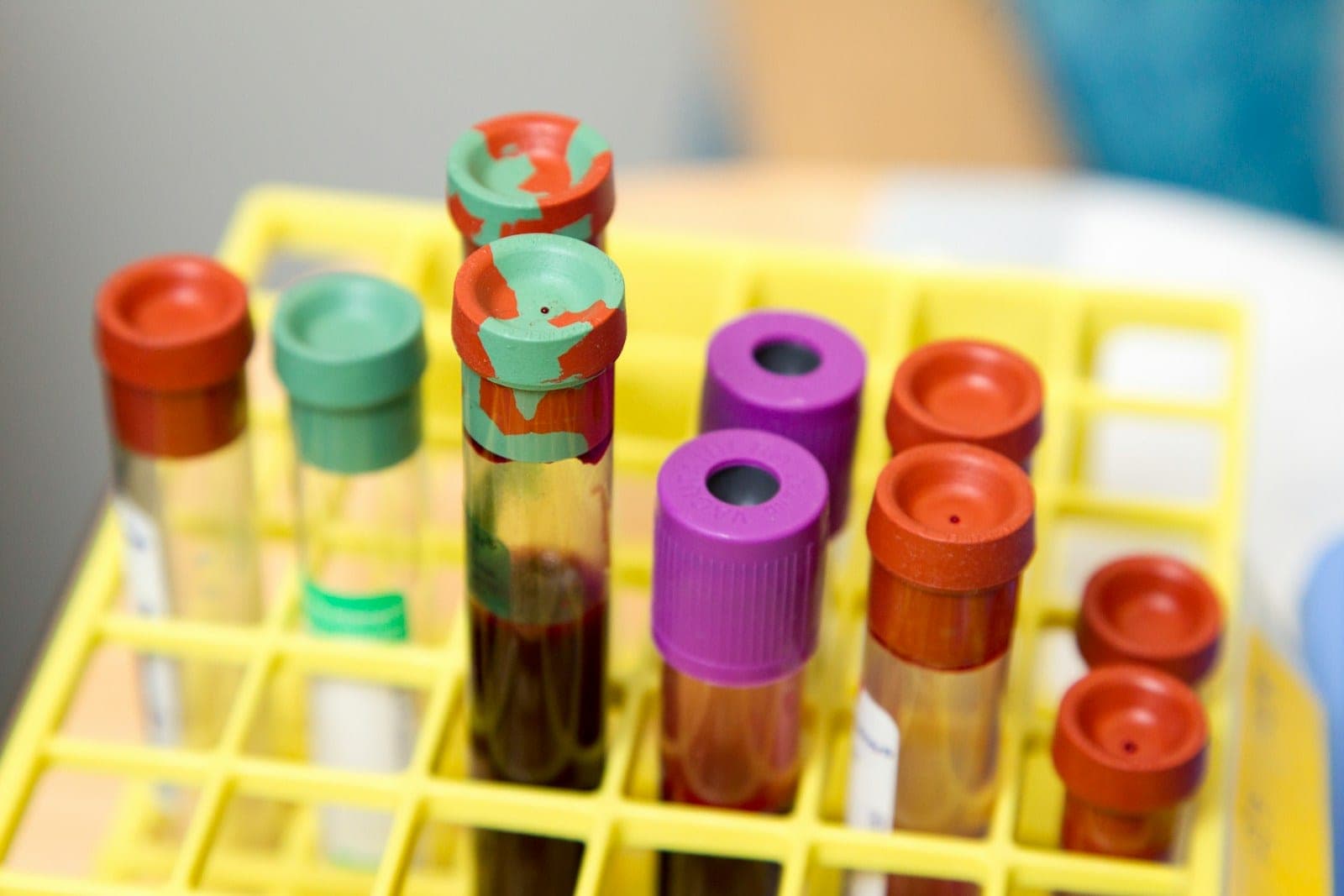
Vitamin D, calcium, phosphate, PTH, thyroid, renal and liver function, testosterone in men, coeliac screen and myeloma workup where suspected.
Bone turnover markers
Used selectively to check adherence and treatment response, particularly with injectable therapy.
Treatment options
 Illustrative
Correct vitamin D and calcium first
Starting a bisphosphonate on untreated vitamin D deficiency risks hypocalcaemia and blunts the effect. Repletion is step one, always.
Bisphosphonates
Oral alendronate or risedronate weekly, or intravenous zoledronic acid once yearly, the latter particularly practical for patients who struggle with dosing rules or reflux.
Denosumab
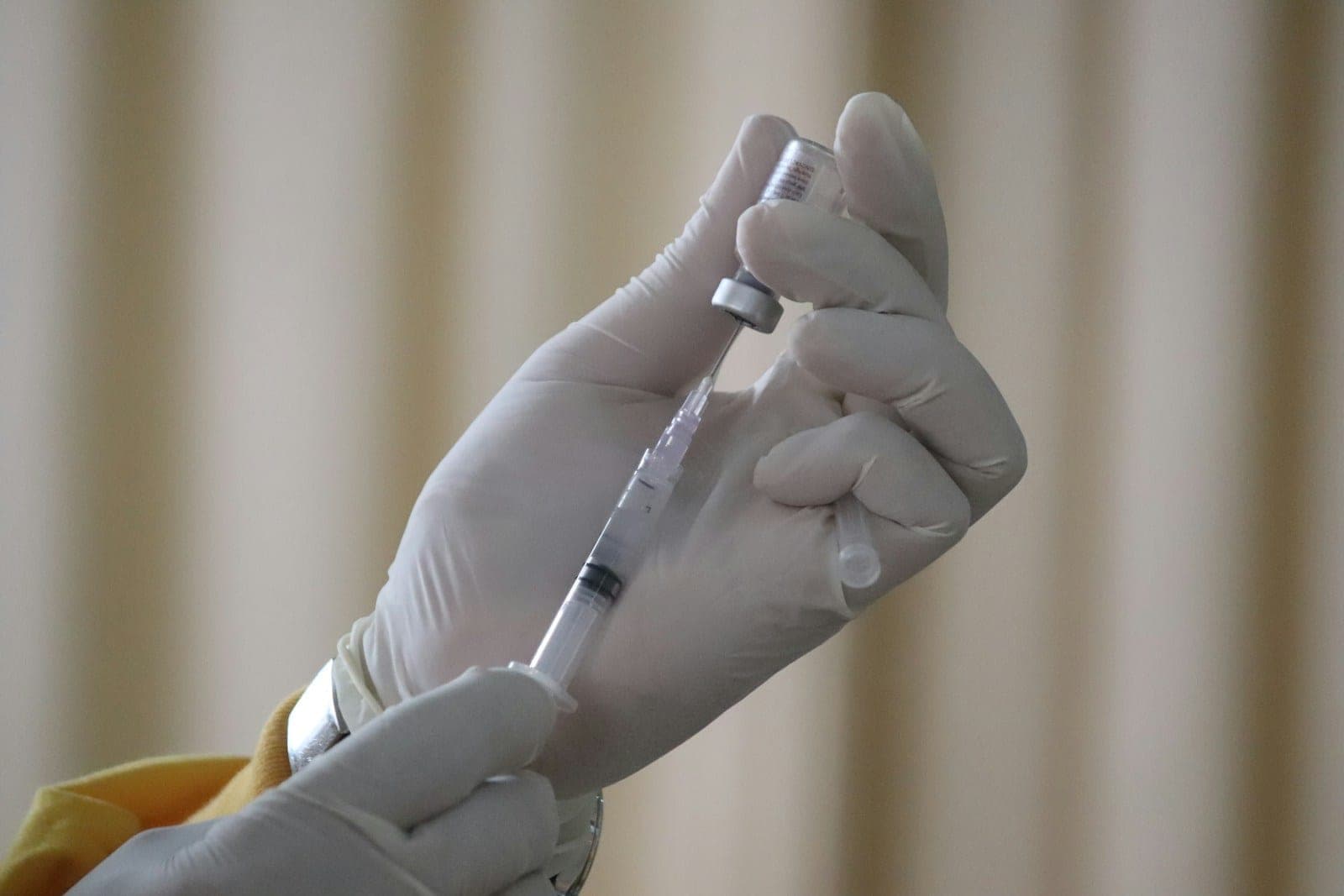
A six-monthly subcutaneous injection, useful in chronic kidney disease. It must never be stopped abruptly without transitioning to another agent, because of rebound vertebral fracture risk.
Anabolic therapy
Teriparatide for severe osteoporosis, multiple vertebral fractures or failure of antiresorptive treatment. It builds new bone rather than only slowing loss.
Glucocorticoid-induced osteoporosis prevention
Bone protection starts at the same time as long-term steroids, not after the first fracture. This is a standard part of every immunosuppression plan in the clinic.
Falls prevention and strength training
Progressive resistance and balance training, home hazard review, vision and medication review. Preventing the fall prevents the fracture.
Living with Osteoporosis
- Aim for 1000–1200 mg calcium daily from diet: milk, curd, paneer, ragi, sesame and green leafy vegetables
- 15–20 minutes of direct sunlight on arms and face several times a week
- Weight-bearing exercise and resistance training two to three times weekly
- Remove loose rugs, improve lighting and add bathroom grab bars
- Do not stop denosumab without a planned replacement — discuss before any gap
Seek urgent medical attention if you have
- Sudden severe back pain after minor exertion — likely vertebral compression fracture
- Height loss of more than 4 cm or a new visible stoop
- Any fracture after a fall from standing height
- Jaw pain or a non-healing dental socket while on bisphosphonates or denosumab
- New thigh or groin pain on long-term bisphosphonates (atypical femoral fracture)
Do not wait for a scheduled appointment for any of the above. Call the clinic on +91 70571 19999 or attend the nearest emergency department.
Frequently asked questions about Osteoporosis
I have low vitamin D. Is that the same as osteoporosis?
How often should I repeat my DEXA scan?
Are bisphosphonates safe long term?
Do men get osteoporosis?
Get an expert opinion on Osteoporosis in Pune
Consultations at the Ravet clinic in Pimpri-Chinchwad. Bring your previous reports — a properly reviewed history usually saves repeating tests.
Part of a wider group
Osteoporosis, Osteoarthritis & Soft-Tissue PainThe conditions where structured exercise outperforms most drugs.How osteoporosis is treated at the clinic
Osteoporosis is managed under osteoporosis, osteoarthritis & soft-tissue pain — the same pathway, targets and monitoring schedule described in full on that page.
Related conditions
Rheumatoid Arthritis
Symmetric small-joint swelling that responds best when treated within the first 12 weeks.
Osteoarthritis
India's most common joint disease, and far more treatable than 'nothing can be done'.
Ankylosing Spondylitis
The back pain that improves with exercise and worsens with rest, and is missed for years.