In short
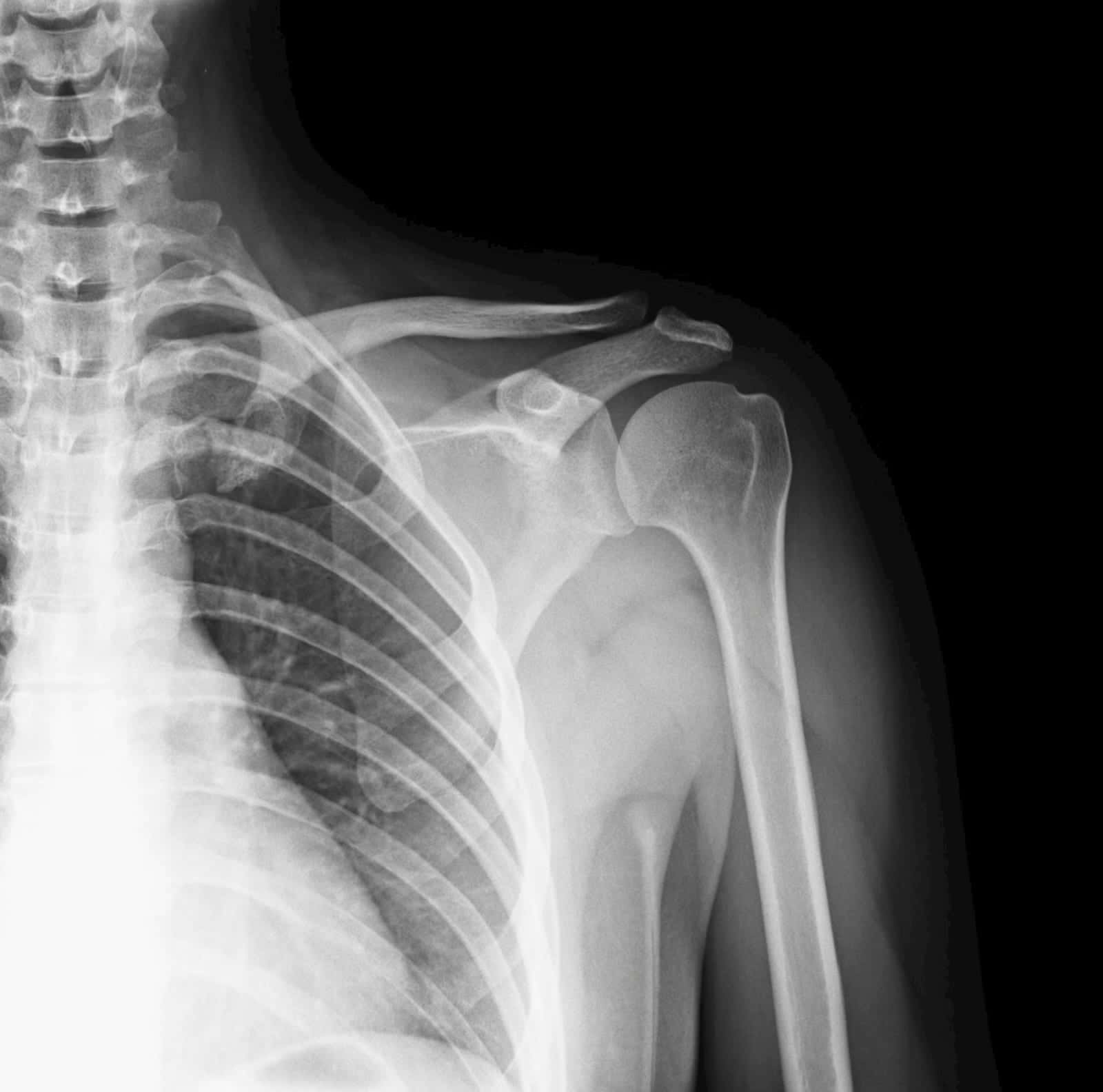
Osteoarthritis involves progressive loss of articular cartilage together with changes in the underlying bone, joint lining and surrounding muscle. Calling it simple 'wear and tear' is outdated. There is a genuine low-grade inflammatory component.
- Category
- Bone & Soft Tissue
- Seen first as
- Pain that worsens with activity and eases with rest, the opposite pattern to inflammatory arthritis
- Treated with
- Structured exercise therapy — first line
What is Osteoarthritis?
It most often affects the knees, hips, hands and lower spine. In India the knee dominates, worsened by floor-sitting, squatting, stair-heavy housing and high rates of obesity and vitamin D deficiency.
The important message is that structured exercise and weight management outperform most drugs, and that a rheumatologist's role includes confirming it really is osteoarthritis and not an inflammatory arthritis masquerading as one.
 Illustrative
In the Indian context
COPCORD surveys estimate osteoarthritis prevalence at about 4.39% of the Indian adult population — by a wide margin the commonest rheumatic disease seen in practice, and among the top causes of disability in older Indians.
Symptoms of Osteoarthritis
Early signs
- Pain that worsens with activity and eases with rest, the opposite pattern to inflammatory arthritis
- Morning stiffness lasting under 30 minutes
- Difficulty with stairs, squatting, getting up from the floor or from a low chair
- Grinding or crackling (crepitus) on moving the joint
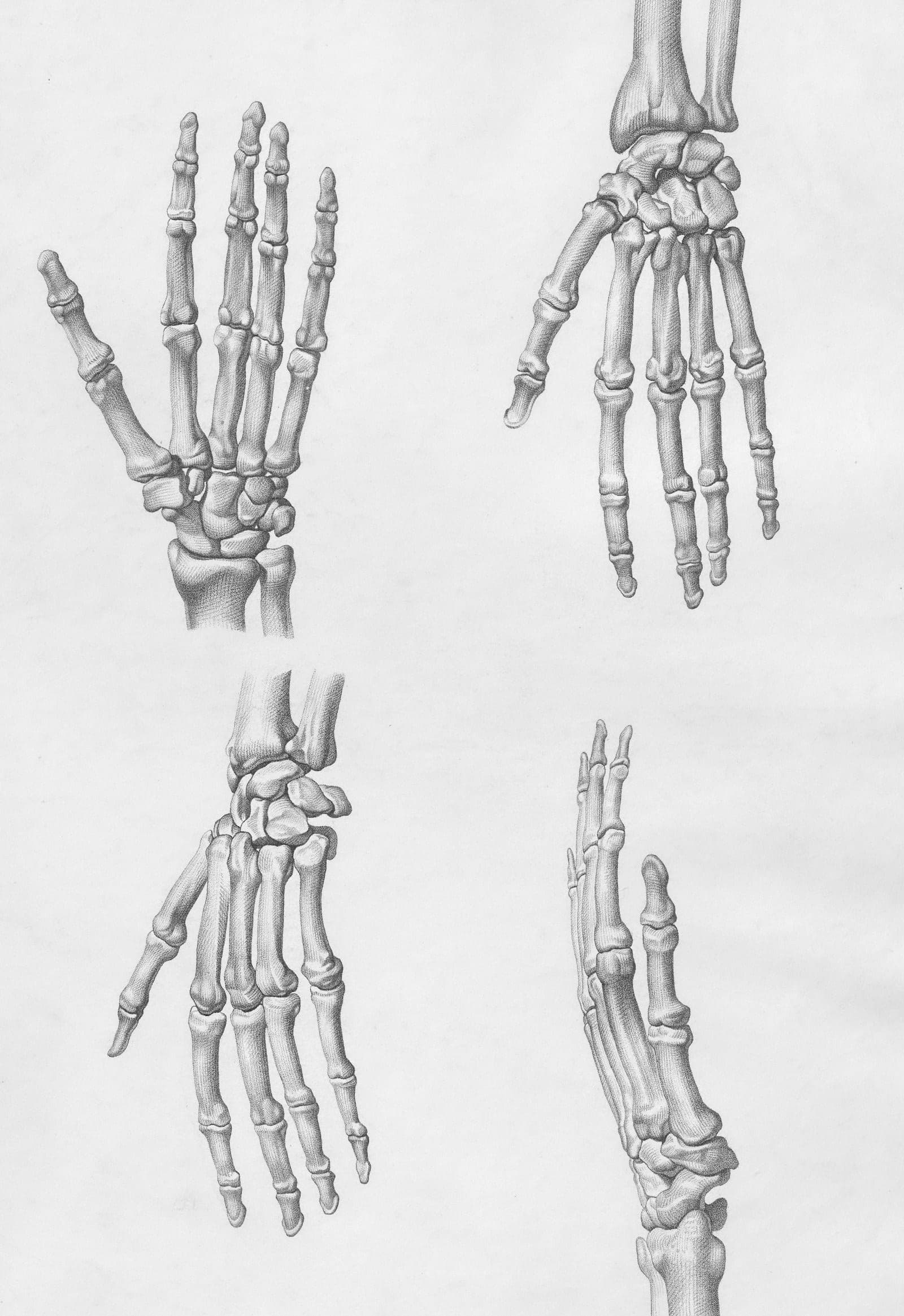
- Bony swelling at the finger end-joints (Heberden's nodes)
If left untreated
- Pain at rest and at night, disturbing sleep
- Visible bowing (varus) deformity of the knees
- Reduced walking distance and loss of independence
- Thigh muscle wasting from disuse
- Joint giving way or locking
Causes & risk factors
- Age and cumulative joint loading
- Obesity — every kilogram of body weight multiplies to several kilograms of force across the knee
- Previous joint injury, meniscal tear or ligament rupture (post-traumatic OA)
- Occupational squatting, kneeling and heavy lifting
- Quadriceps weakness, malalignment and genetic predisposition
How Osteoarthritis is diagnosed
No single test diagnoses a rheumatic disease. The diagnosis comes from combining the pattern of symptoms, the examination findings, and only the investigations that answer a specific question.
 Illustrative
Clinical assessment and gait analysis
Alignment, range of movement, muscle bulk, ligament stability, and how the patient actually walks and rises from a chair.
Weight-bearing X-rays
Standing films, not lying-down films — joint space narrowing only shows correctly under load.
Excluding inflammatory disease
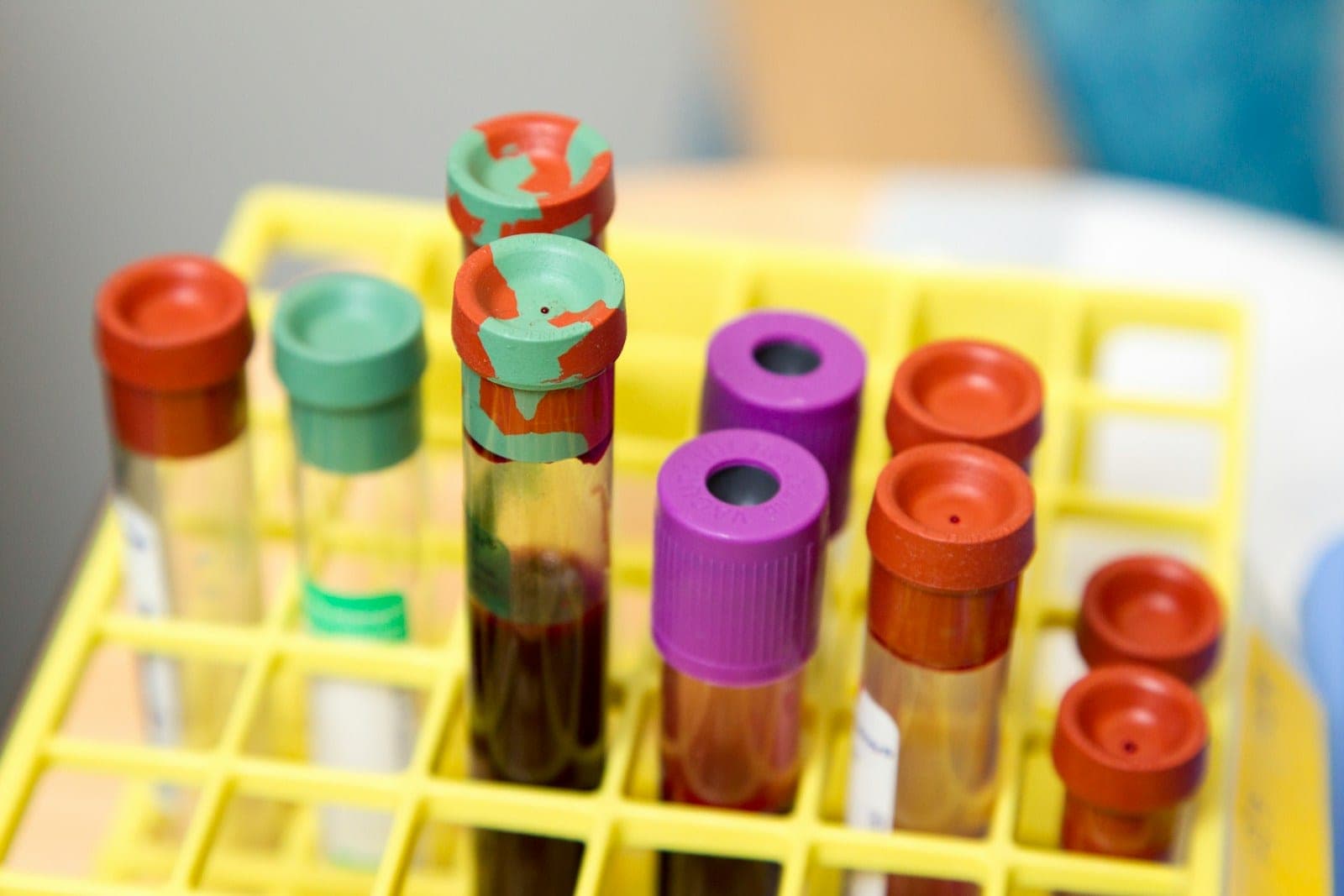
CRP, ESR, RF, anti-CCP and uric acid where the pattern is atypical. Inflammatory arthritis misdiagnosed as osteoarthritis is a common and costly error.
Vitamin D, calcium and bone assessment
Deficiency is extremely common in Indian patients and contributes independently to musculoskeletal pain and muscle weakness.
MRI only when indicated
Reserved for suspected meniscal tear, avascular necrosis or unexplained rapid deterioration — not for routine osteoarthritis, where it adds cost without changing management.
Treatment options
 Illustrative
Structured exercise therapy — first line
Quadriceps and hip abductor strengthening, range-of-movement work and low-impact aerobic exercise. Effect sizes for pain relief are comparable to NSAIDs, without the risks.
Weight reduction
A 5–10% reduction in body weight produces clinically meaningful improvement in knee pain and function, and slows progression.
Topical and oral analgesia
Topical NSAIDs are first choice for knee and hand osteoarthritis given their safety. Oral NSAIDs are used at the lowest effective dose for the shortest period, with gastric and renal protection.
Intra-articular injections
Corticosteroid for painful flares, hyaluronic acid in selected patients, and platelet-rich plasma discussed transparently with realistic evidence-based expectations rather than marketing claims.
Bracing, footwear and activity modification
Shock-absorbing footwear, a walking stick used in the opposite hand, avoiding deep squatting and floor-sitting, and switching to a Western toilet where feasible.
Timely surgical referral
Joint replacement is offered when pain is refractory and function significantly limited — neither too early nor after years of avoidable disability.
Living with Osteoarthritis
- Use a Western commode and a raised chair; avoid sitting cross-legged on the floor for long periods
- A stationary bike at low resistance is excellent knee-friendly conditioning
- Apply local heat before exercise and cold after activity flares
- Keep vitamin D and protein intake adequate to preserve muscle
- Do not accept 'nothing can be done' — supervised exercise reliably improves function at any stage
Seek urgent medical attention if you have
- A hot, swollen, acutely painful joint with fever
- Sudden inability to bear weight after minor trauma (fracture or avascular necrosis)
- Night pain with weight loss
- True locking of the knee suggesting a mechanical block
- Progressive neurological symptoms in the legs
Do not wait for a scheduled appointment for any of the above. Call the clinic on +91 70571 19999 or attend the nearest emergency department.
Frequently asked questions about Osteoarthritis
Does walking damage arthritic knees?
Do glucosamine and collagen supplements work?
Is knee replacement inevitable?
Why see a rheumatologist rather than an orthopaedic surgeon?
Get an expert opinion on Osteoarthritis in Pune
Consultations at the Ravet clinic in Pimpri-Chinchwad. Bring your previous reports — a properly reviewed history usually saves repeating tests.
Part of a wider group
Osteoporosis, Osteoarthritis & Soft-Tissue PainThe conditions where structured exercise outperforms most drugs.How osteoarthritis is treated at the clinic
Osteoarthritis is managed under osteoporosis, osteoarthritis & soft-tissue pain — the same pathway, targets and monitoring schedule described in full on that page.
Related conditions
Gout
The most curable form of arthritis, and the most commonly mistreated.
Osteoporosis
Silent until the first fracture, which is exactly why it should be screened for, not waited for.
Rheumatoid Arthritis
Symmetric small-joint swelling that responds best when treated within the first 12 weeks.
Fibromyalgia
Real pain from a genuinely altered nervous system — not 'all in the mind'.