Patient guide
Getting the most out of your rheumatology consultation
Rheumatology consultations depend heavily on history — often more than on tests. A well-prepared first visit routinely saves weeks of back-and-forth and a good deal of unnecessary repeat testing.
Before your visit
What to bring to your first appointment
 Illustrative
 Illustrative
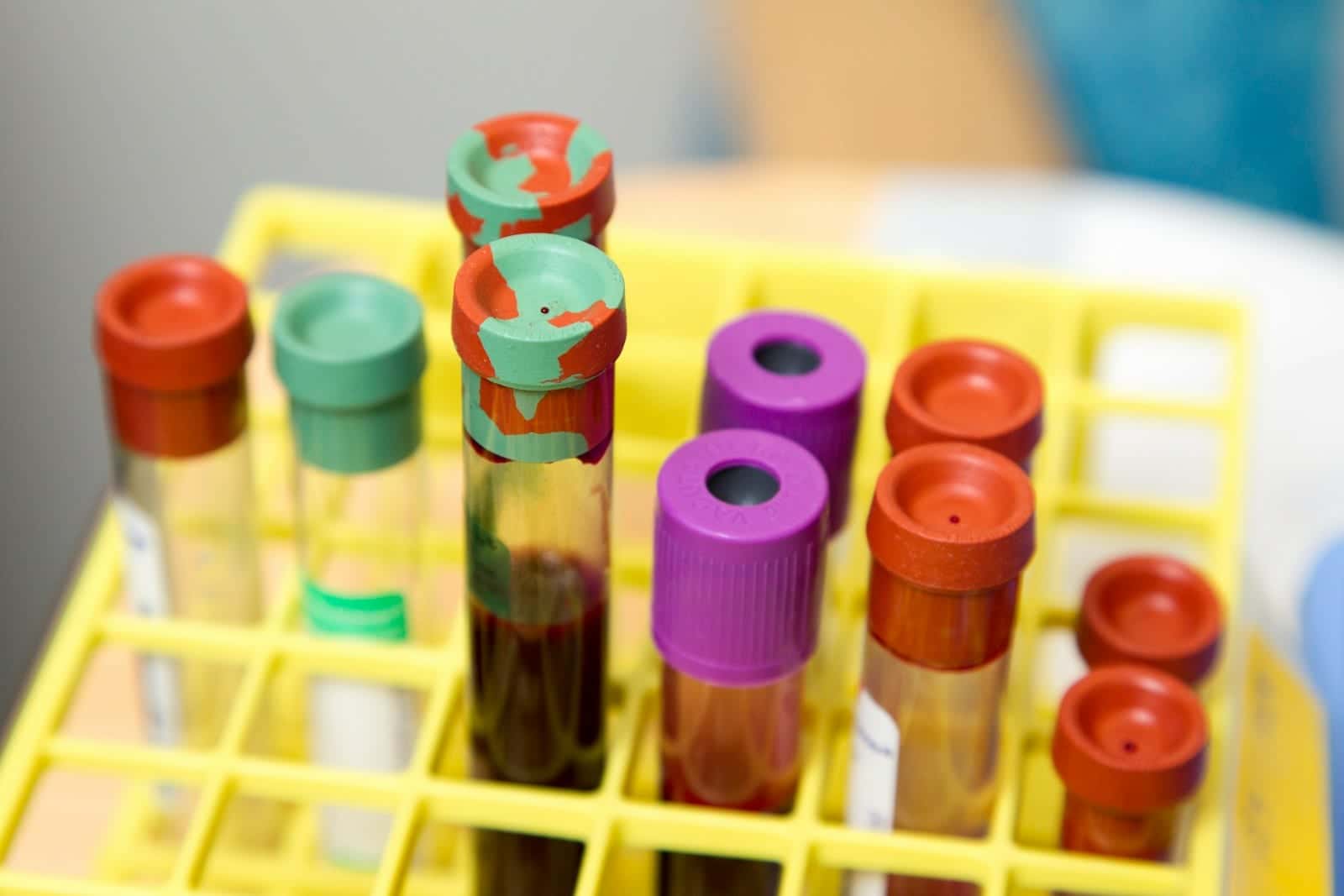
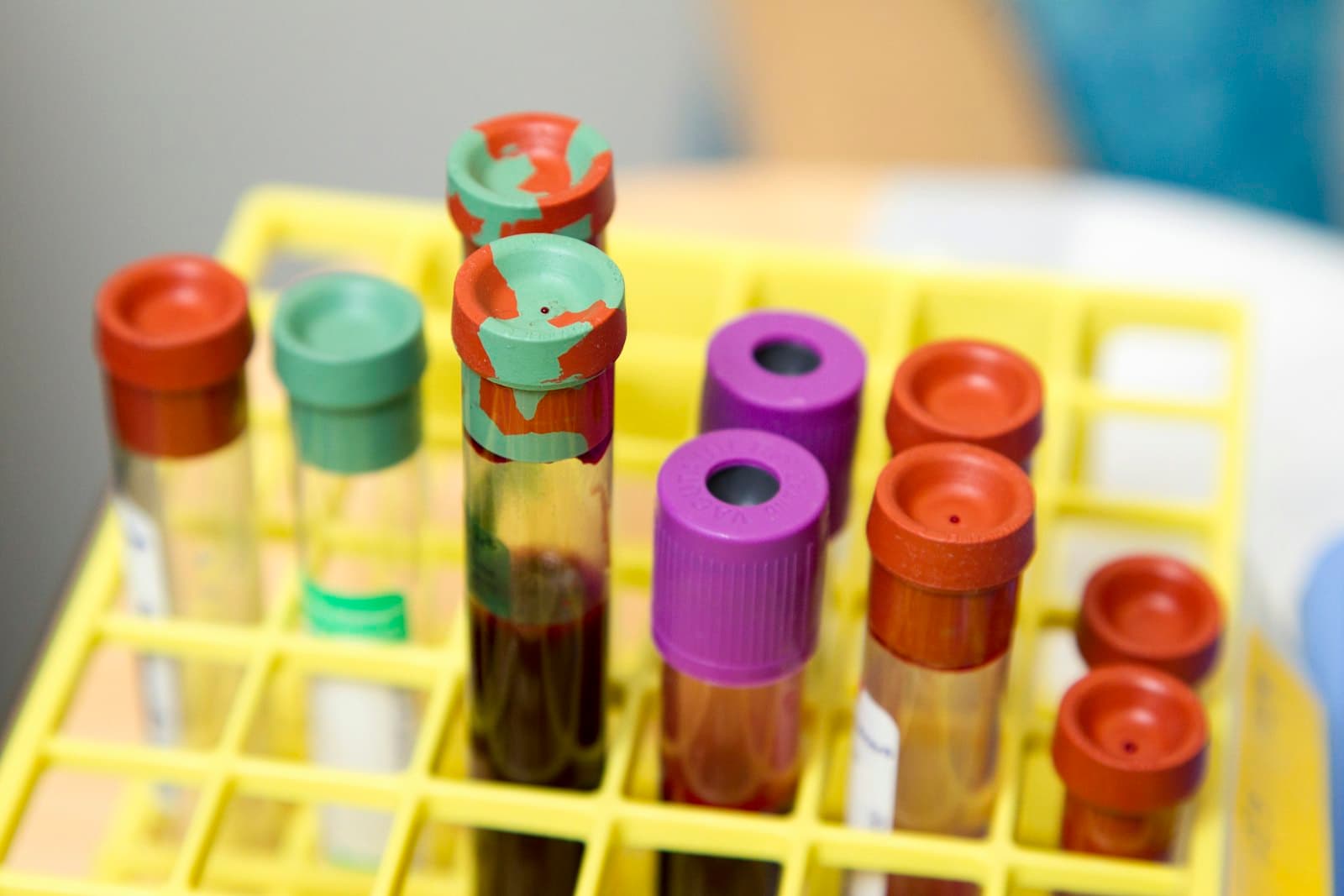
All previous reports, in order
Every blood test, X-ray, MRI and ultrasound you have had, oldest first. Trends over time are often more informative than any single result. Digital copies on a phone are fine.
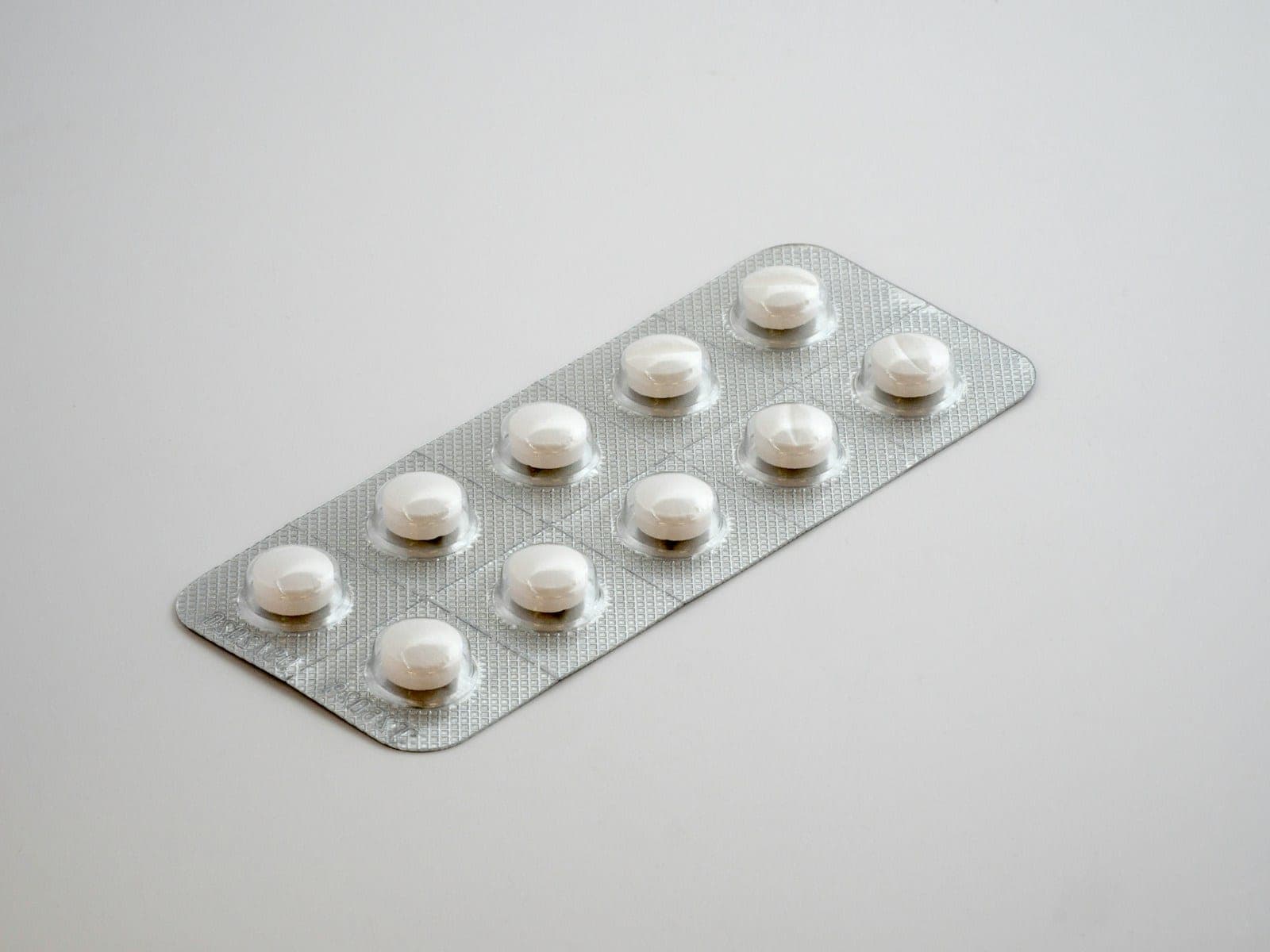
A written medication list
Every prescription drug with its dose, plus painkillers, supplements, Ayurvedic and over-the-counter preparations. Photographs of the strips work well.
Your symptom timeline
When it began, which joint was first, whether it moves around, how long morning stiffness lasts, and what makes it better or worse.
Family history
Arthritis, psoriasis, thyroid disease, inflammatory bowel disease, lupus or recurrent eye inflammation in close relatives — all of these change diagnostic probabilities.
Practical clothing
Loose clothes that let knees, elbows, hands and feet be examined without a struggle. Remove nail polish if hands are the main problem — nail changes are diagnostic clues.
Someone with you if useful
A lot of information gets covered in a first consultation. A family member helps with recall, particularly for older patients.
Understanding your reports
What the common rheumatology blood tests really mean
A great deal of anxiety in this speciality comes from tests being ordered without a clinical question and then read in isolation. Here is what each one does and does not tell you.
IllustrativeLook up a result from your report
Choose the test and what your report said. Most flagged results mean less than they look like they mean.
ESR / CRP
- What it measures
- General markers of inflammation.
- Important caveat
- Raised in infection and many other conditions too — never specific to arthritis on their own.
RA factor
- What it measures
- An antibody found in rheumatoid arthritis.
- Important caveat
- Also positive in healthy older adults, hepatitis C, TB and Sjögren's. A positive result alone is not a diagnosis.
Anti-CCP
- What it measures
- Highly specific antibody for rheumatoid arthritis.
- Important caveat
- Can turn positive years before symptoms and predicts more aggressive disease.
ANA
- What it measures
- Screening antibody for connective tissue disease.
- Important caveat
- Positive in 5–15% of healthy people at low titre. Pattern and titre matter; the specific antibodies matter more.
Anti-dsDNA
- What it measures
- Specific for lupus and tracks disease activity.
- Important caveat
- Rising levels with falling complement often precede a flare.
HLA-B27
- What it measures
- Genetic marker associated with spondyloarthritis.
- Important caveat
- Common in the general Indian population. Positive without inflammatory back pain means very little.
Serum uric acid
- What it measures
- Used in gout assessment.
- Important caveat
- Can be normal or low during an acute attack — must be rechecked at least two weeks afterwards.
Vitamin D
- What it measures
- Bone and muscle health.
- Important caveat
- Widely deficient in India despite sunlight. Corrected before starting osteoporosis drugs.
| Test | What it measures | Important caveat |
|---|---|---|
| ESR / CRP | General markers of inflammation. | Raised in infection and many other conditions too — never specific to arthritis on their own. |
| RA factor | An antibody found in rheumatoid arthritis. | Also positive in healthy older adults, hepatitis C, TB and Sjögren's. A positive result alone is not a diagnosis. |
| Anti-CCP | Highly specific antibody for rheumatoid arthritis. | Can turn positive years before symptoms and predicts more aggressive disease. |
| ANA | Screening antibody for connective tissue disease. | Positive in 5–15% of healthy people at low titre. Pattern and titre matter; the specific antibodies matter more. |
| Anti-dsDNA | Specific for lupus and tracks disease activity. | Rising levels with falling complement often precede a flare. |
| HLA-B27 | Genetic marker associated with spondyloarthritis. | Common in the general Indian population. Positive without inflammatory back pain means very little. |
| Serum uric acid | Used in gout assessment. | Can be normal or low during an acute attack — must be rechecked at least two weeks afterwards. |
| Vitamin D | Bone and muscle health. | Widely deficient in India despite sunlight. Corrected before starting osteoporosis drugs. |
On treatment
Immunosuppression is safe when it is monitored, and only then
The drugs that put rheumatic disease into remission also lower your defences. Everything below exists so that trade is a managed one — screened before you start, checked on a schedule, and adjusted before a problem becomes an emergency.
On treatment
Living safely with long-term immunosuppression
The general rules are below. For your specific drug — methotrexate, hydroxychloroquine, steroids, a biologic — the medicine guides go into detail.
 Illustrative
 Illustrative
Monitoring schedule
- Full blood count, liver and kidney function every 2–4 weeks initially
- Every 8–12 weeks once the dose has been stable for three months
- Annual lipids, blood pressure and HbA1c — inflammation raises cardiac risk
- Eye screening after five years of hydroxychloroquine
- DEXA scan for anyone on steroids beyond three months
Infection safety
- Latent TB screening before any biologic — non-negotiable in India
- Hepatitis B and C screening before immunosuppression
- Vaccinations completed before starting where possible; no live vaccines after
- Pause biologics during a significant infection, and tell any treating doctor you are immunosuppressed
- Never stop steroids abruptly — they need tapering
Questions
Frequently asked questions
What does a positive RA factor actually mean?
My ANA came back 1:80 positive. Should I be worried?
Why do I need blood tests every few weeks on methotrexate?
Which vaccines should I have before starting immunosuppression?
Can I take Ayurvedic or homeopathic medicines alongside my treatment?
What if I miss a dose?
Should I stop my medication if I get a fever or infection?
Can I drink alcohol on methotrexate?
Ready to book, or still unsure whether you need a rheumatologist?
Call the clinic and describe your symptoms — reception can tell you whether a rheumatology consultation is the right next step, or whether another speciality fits better.