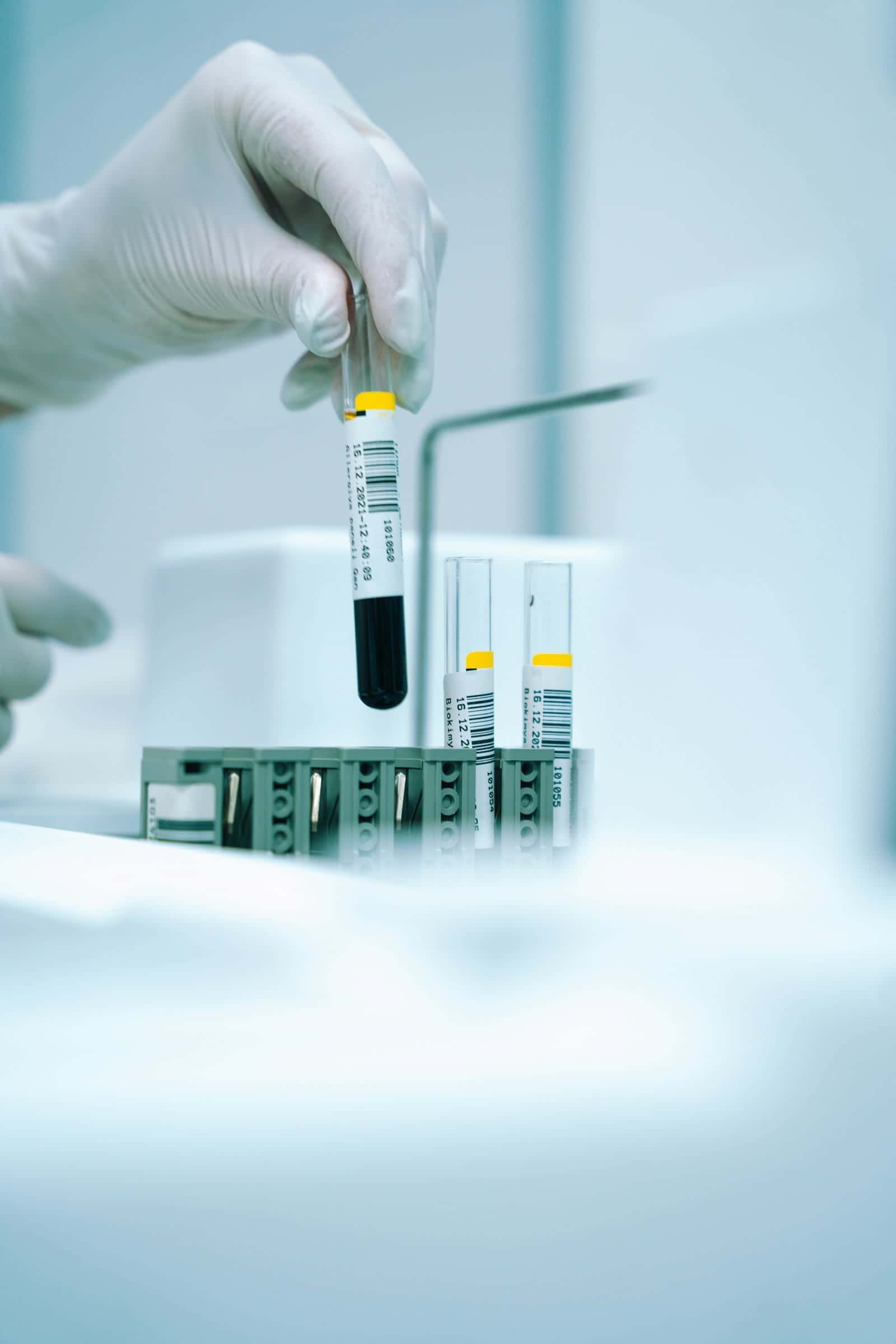
In short
Systemic lupus erythematosus is an autoimmune disease in which the immune system produces antibodies against the body's own cell nuclei. Immune complexes then deposit in skin, joints, kidneys, blood cells, lungs and the nervous system.
- Category
- Connective Tissue Disease
- Seen first as
- A malar or butterfly rash across the cheeks and bridge of the nose, sparing the nasolabial folds
- Treated with
- Hydroxychloroquine for everyone
What is Lupus (SLE)?
Lupus is famously variable. Two patients can look nothing alike. One may have only a rash and joint pain; another presents with kidney failure. This is why it is diagnosed on a pattern of findings over time, never on a single blood test.
Modern lupus care is far better than its reputation. With hydroxychloroquine as a backbone, early detection of kidney involvement and modern immunosuppression, long-term survival now exceeds 90% at ten years.
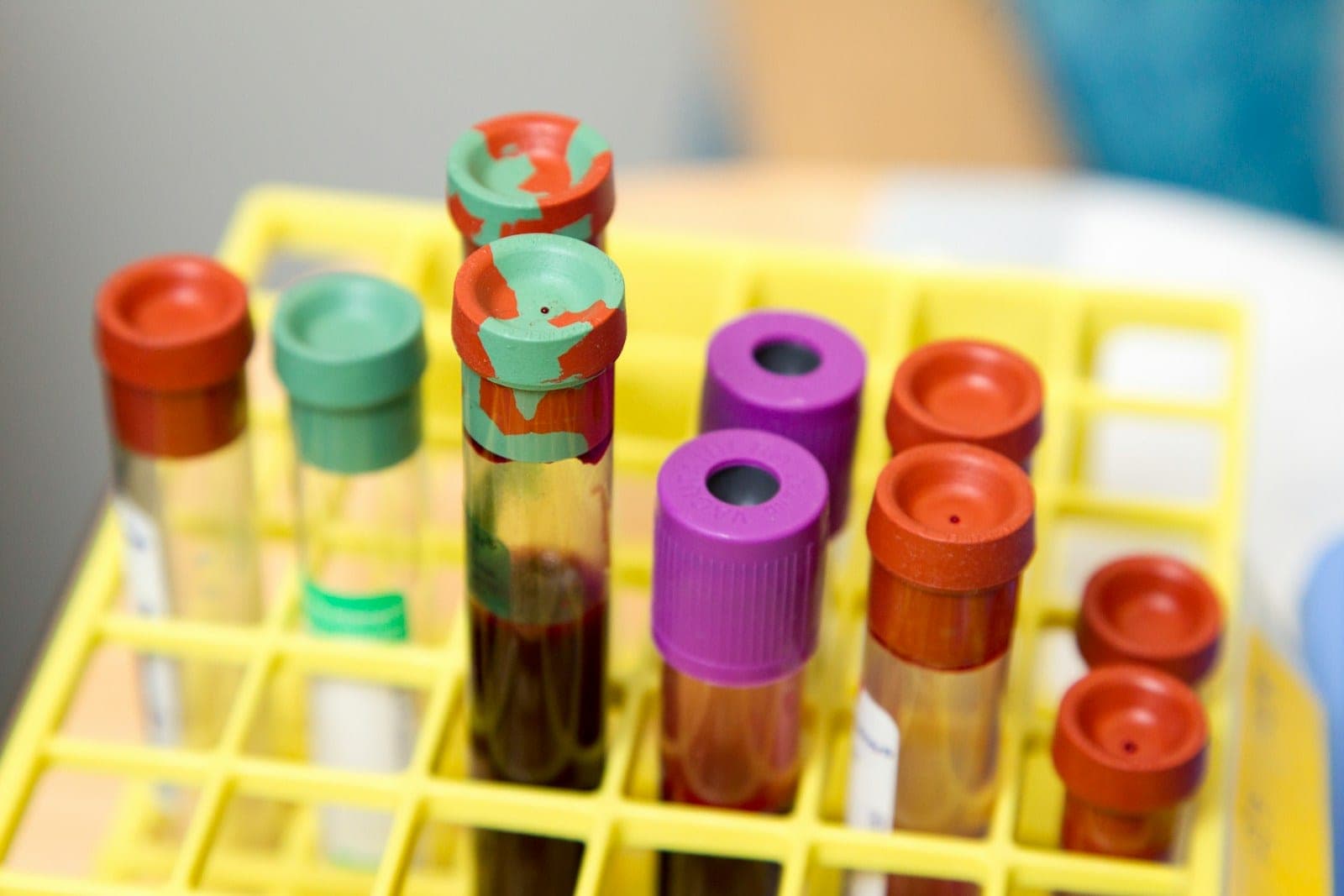 Illustrative
In the Indian context
Lupus in Indian patients tends to present younger and with a higher frequency of renal involvement than in Western cohorts, so urine testing at every single visit is non-negotiable rather than optional.
Symptoms of Lupus (SLE)
Early signs
- A malar or butterfly rash across the cheeks and bridge of the nose, sparing the nasolabial folds
- Rash or flare that appears after sun exposure (photosensitivity)
- Painful joints — typically hands, wrists and knees — often without visible swelling
- Painless ulcers on the palate or inside the nose
- Persistent fatigue disproportionate to activity, with low-grade fever and hair thinning
If left untreated
- Frothy urine, ankle or facial puffiness, rising blood pressure — signs of lupus nephritis
- Chest pain that worsens on lying flat or on deep breathing (serositis)
- Fingers turning white then blue in the cold (Raynaud's phenomenon)
- Seizures, psychosis, stroke or unexplained confusion (neuropsychiatric lupus)
- Recurrent miscarriage or clots, which raise suspicion of antiphospholipid syndrome
Causes & risk factors
- Genetic predisposition, with a strong female preponderance of roughly 9:1 in the reproductive years
- Ultraviolet light exposure, which triggers both skin and systemic flares
- Hormonal factors — oestrogen influence on immune regulation
- Certain drugs (hydralazine, procainamide, minocycline) causing drug-induced lupus
- Viral triggers such as Epstein-Barr virus in susceptible individuals
How Lupus (SLE) is diagnosed
No single test diagnoses a rheumatic disease. The diagnosis comes from combining the pattern of symptoms, the examination findings, and only the investigations that answer a specific question.
IllustrativeANA by immunofluorescence
The screening test — near-universally positive in true SLE. But a low-titre positive ANA alone is common in healthy people and does not mean lupus. Pattern and titre both matter.
Specific autoantibody panel
Anti-dsDNA (correlates with activity and kidney disease), anti-Sm (highly specific), anti-Ro/La, anti-RNP and antiphospholipid antibodies to map the exact subtype.
Complement C3 and C4
Falling complement with rising anti-dsDNA is the classic signature of an impending or active flare, often before symptoms appear.
Urine routine and urine protein:creatinine ratio
The most important test in lupus. Silent proteinuria or red-cell casts identify lupus nephritis while it is still fully reversible.
Full blood count and Coombs test
Detects autoimmune haemolytic anaemia, leukopenia and thrombocytopenia — each a diagnostic criterion in its own right.
Kidney biopsy where indicated
The class of nephritis (I–VI) dictates whether treatment is mild or aggressive. Guessing without histology risks both under- and over-treatment.
Treatment options
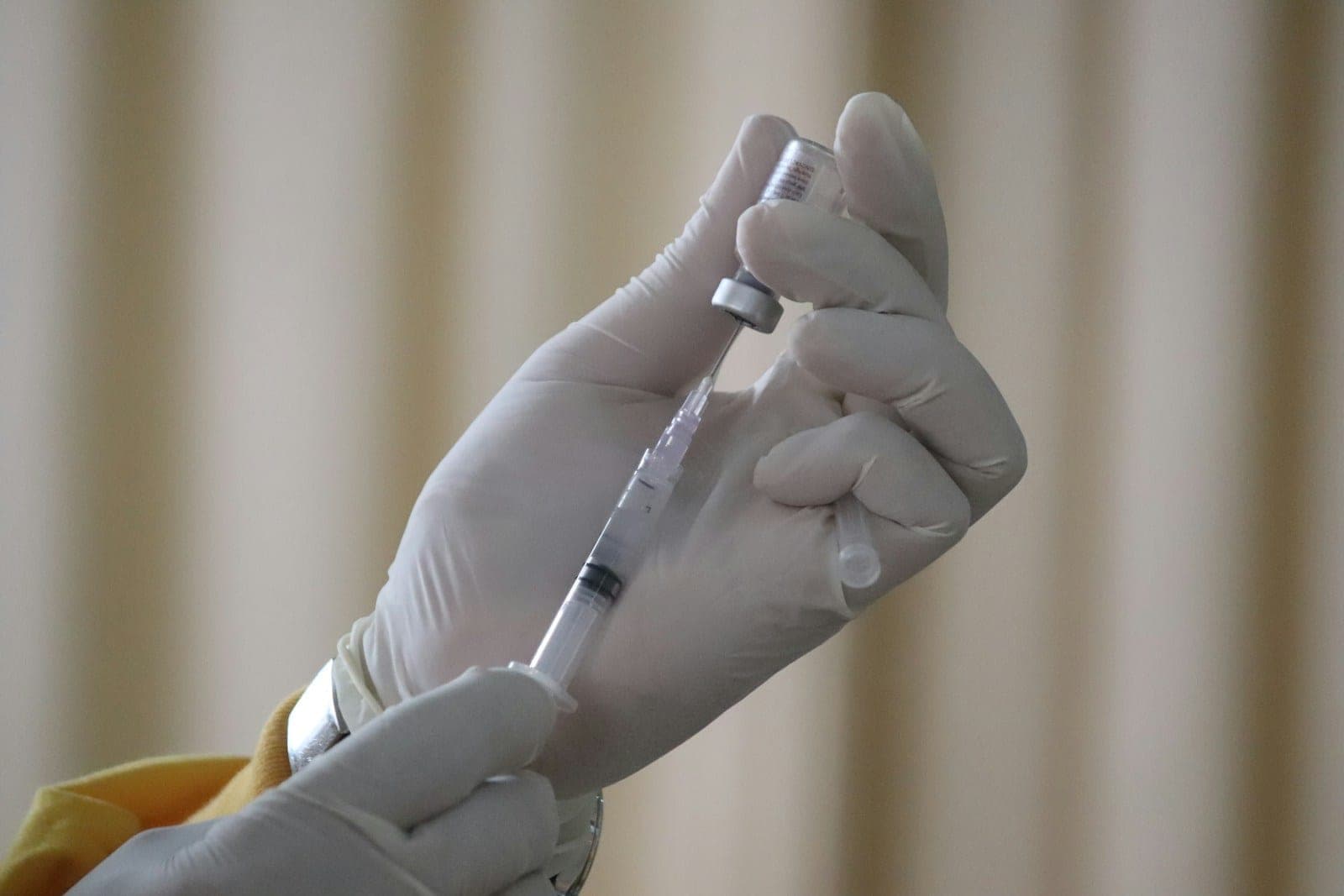 Illustrative
Hydroxychloroquine for everyone
Recommended for essentially all lupus patients, indefinitely. It reduces flares, protects the kidneys, lowers clot risk and improves survival. Annual retinal screening follows five years of use.
Glucocorticoids, minimised deliberately
Used to control acute flares, then tapered toward 5 mg/day of prednisolone or off completely. Cumulative steroid dose — not lupus itself — causes much of the long-term organ damage.
Immunosuppressive therapy
Mycophenolate mofetil, azathioprine, tacrolimus or cyclophosphamide, chosen by organ involvement, severity and pregnancy plans.
Biologics and targeted therapy
Belimumab and anifrolumab for refractory disease; rituximab in selected cytopenic or renal cases.
Rigorous photoprotection
Broad-spectrum SPF 50+ daily, physical barriers and shade. In the Indian climate this is one of the highest-yield, lowest-cost interventions available.
Pregnancy and contraception planning
Lupus pregnancy is safest when conception follows six months of quiescent disease on pregnancy-compatible drugs, with antiphospholipid and anti-Ro status checked in advance.
Medicine guides
How to take them, side effects, blood tests and pregnancy, for the medicines most often used for this condition.
Living with Lupus (SLE)
- Daily sunscreen and sun avoidance between 10 am and 4 pm
- Never stop hydroxychloroquine because you feel well. It is preventive, not symptomatic
- Vitamin D supplementation, since photoprotection and the disease both lower levels
- Aggressive blood pressure, lipid and sugar control; lupus accelerates atherosclerosis
- Inactivated vaccinations kept up to date, ideally before immunosuppression starts
Seek urgent medical attention if you have
- Frothy urine, sudden swelling of the face or legs, or a jump in blood pressure
- New seizure, severe headache, confusion or limb weakness
- Breathlessness or pleuritic chest pain
- Fever while on immunosuppression — infection can mimic a flare and must be excluded first
- Sudden severe abdominal pain (possible mesenteric vasculitis or pancreatitis)
Do not wait for a scheduled appointment for any of the above. Call the clinic on +91 70571 19999 or attend the nearest emergency department.
Frequently asked questions about Lupus (SLE)
My ANA is positive. Do I have lupus?
Can women with lupus have children?
Is lupus fatal?
Why must I do a urine test at every visit?
Get an expert opinion on Lupus (SLE) in Pune
Consultations at the Ravet clinic in Pimpri-Chinchwad. Bring your previous reports — a properly reviewed history usually saves repeating tests.
Part of a wider group
Autoimmune & Connective Tissue DiseaseMulti-system disease where the complications that matter are silent early.How lupus (sle) is treated at the clinic
Lupus (SLE) is managed under autoimmune & connective tissue disease — the same pathway, targets and monitoring schedule described in full on that page.
Related conditions
Sjögren's Syndrome
Dry eyes and dry mouth that deserve investigation rather than eye drops alone.
Antiphospholipid Syndrome
The clotting and miscarriage disorder that is diagnosed on repeated — not single — antibody tests.
Raynaud's Phenomenon
Usually harmless, but sometimes the first sign of autoimmune disease years in advance.
Rheumatoid Arthritis
Symmetric small-joint swelling that responds best when treated within the first 12 weeks.