Lupus & Autoimmune Disease Treatment in Pune & PCMC
Multi-system disease where the complications that matter are silent early.
Ravet, Pimpri-Chinchwad · OPD Mon, Wed, Fri
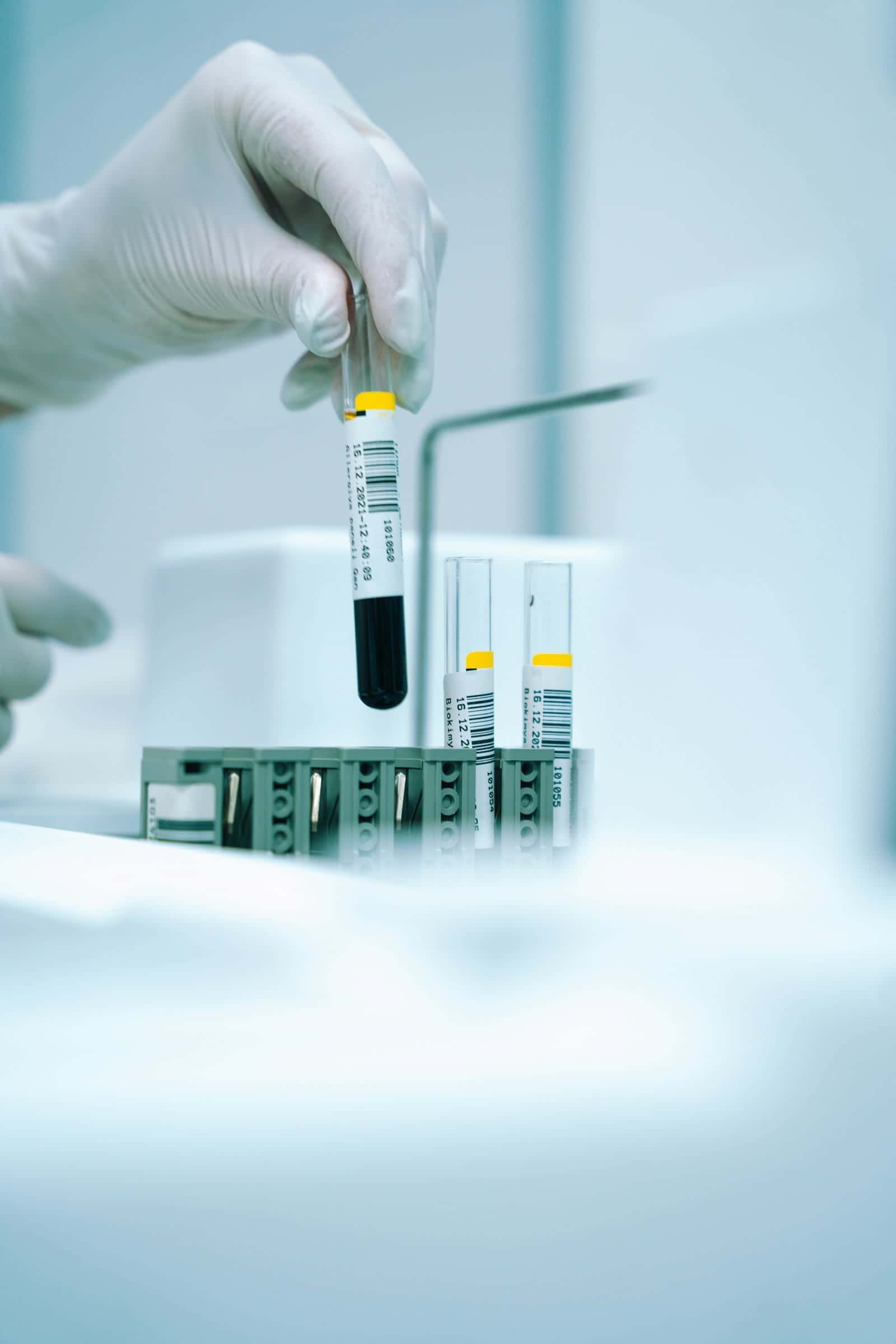
 Illustrative
Overview
What this group of conditions has in common
Connective tissue diseases — lupus, Sjögren's syndrome, scleroderma, myositis and the overlap syndromes — are autoimmune conditions that affect many organs at once. Joints are often involved, but so are kidneys, lungs, skin, blood and nerves.
The defining clinical problem is that the dangerous complications develop silently. Lupus nephritis causes no symptoms until it is advanced. Scleroderma lung disease is visible on a scan long before the patient notices breathlessness. This is why care here is organised around a surveillance calendar rather than around symptoms.
It is equally important to say what this is not. A low-titre positive ANA with no symptoms is found in a meaningful proportion of entirely healthy people. A significant part of this clinic's work is stopping unnecessary treatment and unnecessary repeat testing.
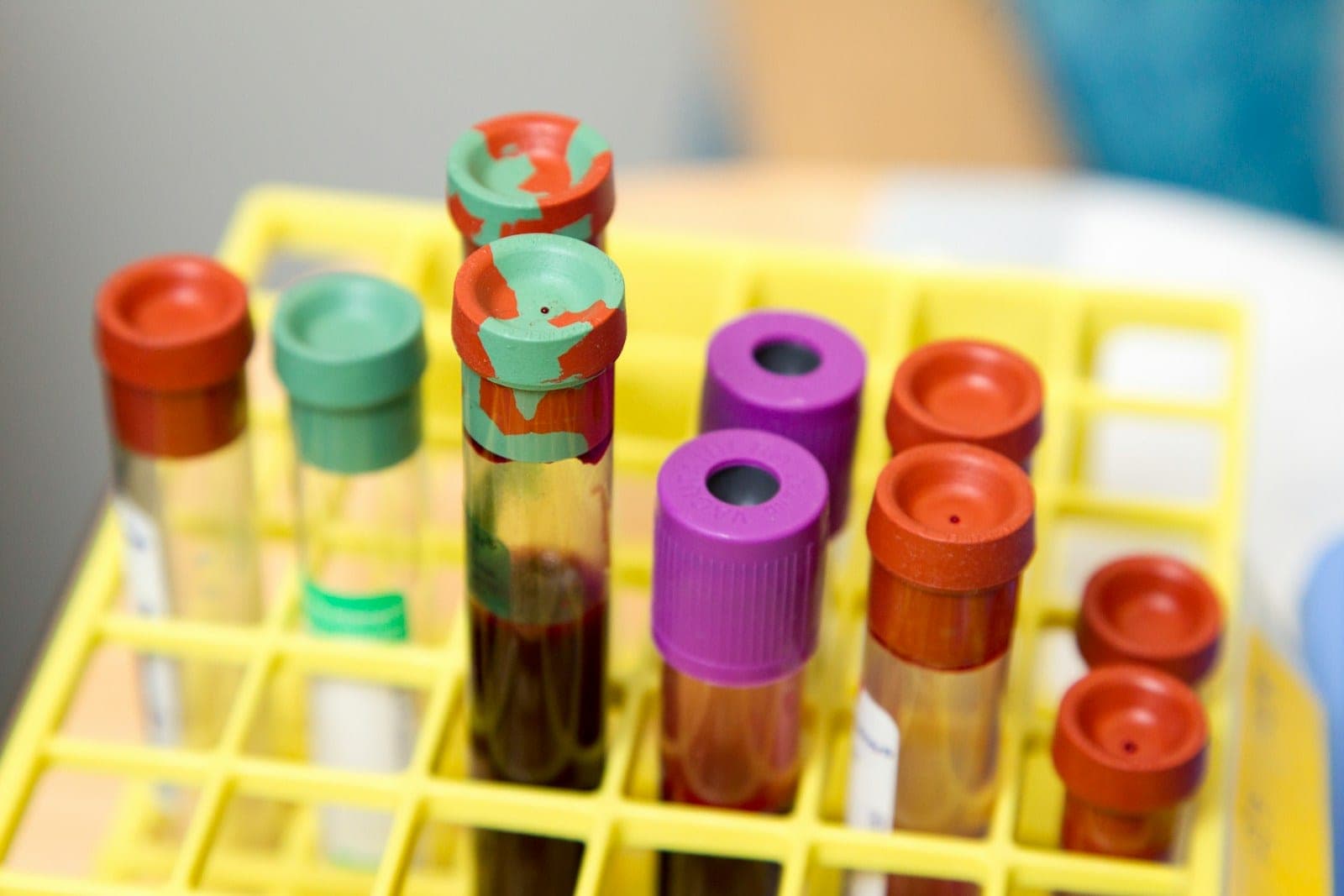
IllustrativeRecognising it
The clues that point to this group
Pattern recognition does more diagnostic work in rheumatology than any single test. These are the features that matter here.
It rarely stays in one place
Rash, joint pain, mouth ulcers, hair loss, dry eyes and fatigue in combination are what distinguish this group from a joint-only problem.
Specific antibodies define the subtype
Anti-dsDNA, anti-Sm, anti-Ro/La, anti-centromere, anti-Scl-70, the myositis panel. These do not just confirm a diagnosis. They predict which organ is at risk.
Photosensitivity and Raynaud's
Rash after sun exposure, or fingers turning white then blue in the cold, are early external signs of an internal process.
Silent organ involvement
Urine testing at every visit, annual lung function and echocardiography where indicated. Screening — not symptoms — is what catches these in time.
Investigation
The tests that separate these conditions
Only the investigations that answer a specific question — plus the safety screening required before any immunosuppression.
ANA with pattern and titre
The screening test. Interpreted with the pattern and titre, never as a standalone yes/no.
Extended autoantibody panel
Anti-dsDNA, Sm, Ro/La, RNP, centromere, Scl-70, myositis-specific antibodies. These map the subtype and the organ risk.
Complement C3 and C4
Falling complement with rising anti-dsDNA is the classic signature of an impending lupus flare.
Urine routine and protein:creatinine
The most important test in lupus. Catches nephritis while kidney function is still fully preservable.
Nailfold capillaroscopy
Distinguishes harmless primary Raynaud's from evolving connective tissue disease, often years in advance.
Treatment
How this is treated, step by step
A defined sequence with a defined review point at each stage — not an open-ended prescription.
- 01
Map the disease
Full antibody profile plus a baseline assessment of every organ system that this subtype is known to threaten.
- 02
Hydroxychloroquine as the backbone
Recommended for essentially all lupus patients indefinitely. It reduces flares, protects the kidneys and improves survival.
- 03
Minimise steroids deliberately
Used to control acute flares, then tapered toward 5 mg/day or off. Cumulative steroid dose causes much of the long-term organ damage.
- 04
Organ-directed immunosuppression
Mycophenolate, azathioprine, tacrolimus, cyclophosphamide, rituximab or belimumab — chosen by which organ is involved and by pregnancy plans.
- 05
Lifelong surveillance
Urine at every visit, annual lung and cardiac screening where indicated, retinal screening after five years of hydroxychloroquine.
Conditions in this group
6 conditions treated under autoimmune & connective tissue disease
Each has a full patient guide covering symptoms, diagnosis, treatment and the warning signs that need urgent attention.
- Connective Tissue Disease
Lupus (SLE)
A multi-system autoimmune disease where early kidney screening changes the entire prognosis.
Read the guide - Connective Tissue Disease
Sjögren's Syndrome
Dry eyes and dry mouth that deserve investigation rather than eye drops alone.
Read the guide - Connective Tissue Disease
Scleroderma
Skin tightening that signals a disease needing yearly heart and lung surveillance.
Read the guide - Connective Tissue Disease
Myositis
Weakness — not pain — is the defining symptom, and it needs urgent investigation.
Read the guide - Connective Tissue Disease
Raynaud's Phenomenon
Usually harmless, but sometimes the first sign of autoimmune disease years in advance.
Read the guide - Connective Tissue Disease
Antiphospholipid Syndrome
The clotting and miscarriage disorder that is diagnosed on repeated — not single — antibody tests.
Read the guide
Do not wait for an appointment if you have
- Frothy urine, sudden facial or leg swelling, or a jump in blood pressure
- New seizure, severe headache, confusion or limb weakness
- Breathlessness, pleuritic chest pain or coughing blood
- A sudden rise in blood pressure in scleroderma — renal crisis is an emergency
- Fever while on immunosuppression: infection can mimic a flare and must be excluded first
Call the clinic on +91 70571 19999 or attend the nearest emergency department.
Questions
FAQs — autoimmune & connective tissue disease
My ANA is positive. Should I be worried?
Can I have a baby with lupus?
Why do I need a urine test every single visit?
Also treated
Other treatment areas
Inflammatory Arthritis
Joint swelling that is driven by the immune system, not by wear.
Spondyloarthritis & Back Pain
Back pain that is worse at rest and better with movement is not a mechanical strain.
Gout & Crystal Arthritis
The most curable arthritis there is, and the most commonly mistreated.
Osteoporosis, Osteoarthritis & Soft-Tissue Pain
The conditions where structured exercise outperforms most drugs.
Vasculitis
The one group in rheumatology where days of delay cost sight, kidneys or life.
Get a specialist opinion on autoimmune & connective tissue disease
Consultations at the Ravet clinic in Pimpri-Chinchwad. Bring your previous reports — a properly reviewed history usually saves repeating tests.