In short
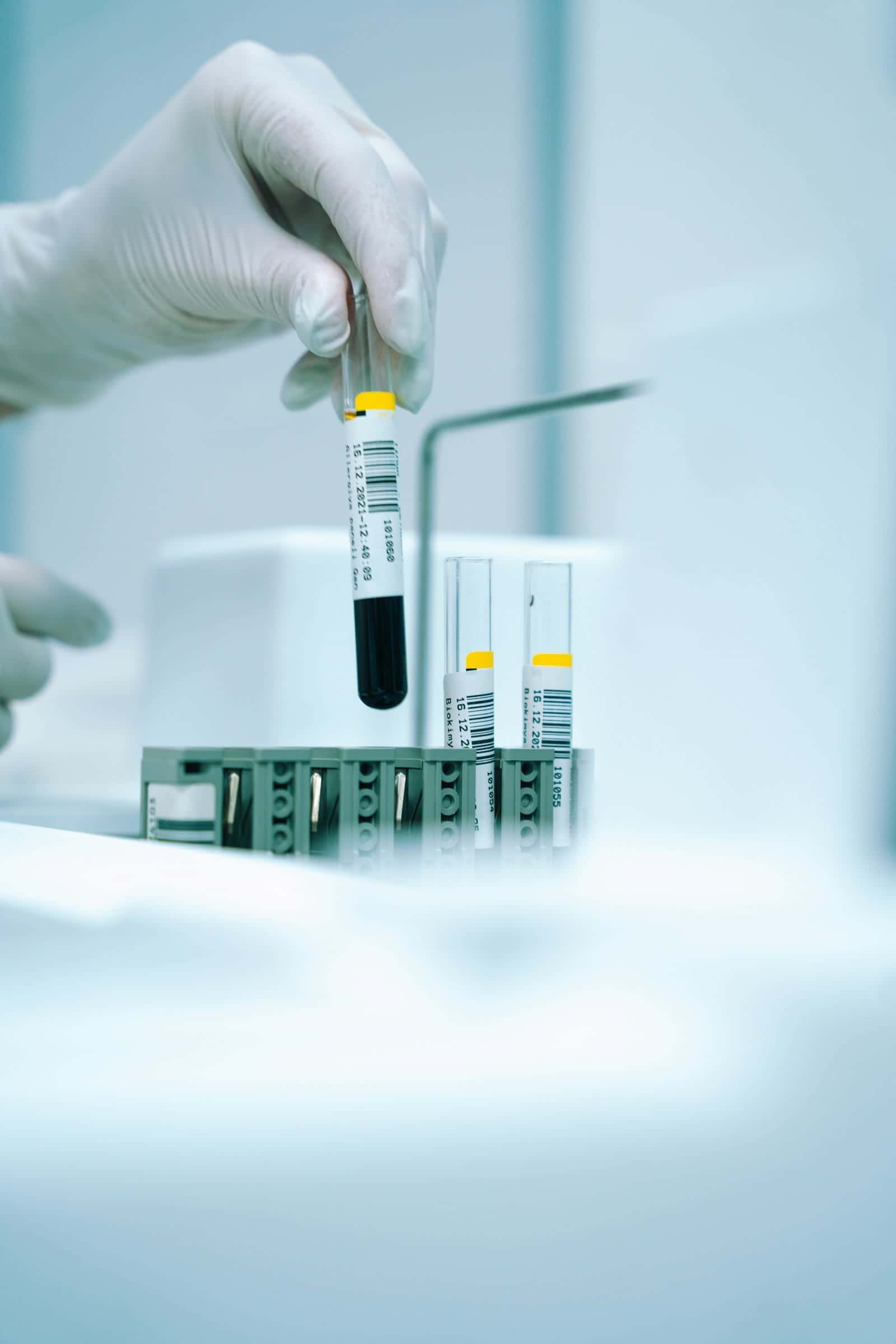
The idiopathic inflammatory myopathies are autoimmune diseases in which the immune system attacks skeletal muscle, causing progressive weakness of the shoulders, hips, neck and sometimes the swallowing muscles.
- Category
- Connective Tissue Disease
- Seen first as
- Difficulty climbing stairs, rising from a squat or from a low chair
- Treated with
- High-dose glucocorticoids
What is Myositis?
The key clinical distinction is that patients complain of weakness — struggling to climb stairs, lift arms overhead or rise from the floor — rather than of pain. Pain-dominant presentations point elsewhere.
Dermatomyositis adds characteristic skin changes and carries an important association with underlying malignancy in adults, making age-appropriate cancer screening a standard part of the workup.
 Illustrative
Symptoms of Myositis
Early signs
- Difficulty climbing stairs, rising from a squat or from a low chair
- Trouble lifting arms to comb hair or reach an overhead shelf
- Neck weakness, the head feels heavy, difficulty lifting it off the pillow
- Heliotrope rash: violet discolouration of the eyelids
- Gottron's papules: scaly violet plaques over the knuckles
If left untreated
- Difficulty swallowing or nasal regurgitation of liquids, a serious sign
- Breathlessness from respiratory muscle weakness or interstitial lung disease
- Rough, cracked 'mechanic's hands' with anti-synthetase syndrome
- Calcinosis under the skin, especially in juvenile disease
- Muscle wasting and contractures
Causes & risk factors
- Autoimmune attack on muscle fibres and muscle capillaries
- Myositis-specific antibodies defining distinct clinical subtypes
- Underlying malignancy in a proportion of adult dermatomyositis cases
- Statin-associated immune-mediated necrotising myopathy (anti-HMGCR)
- Viral triggers and genetic predisposition
How Myositis is diagnosed
No single test diagnoses a rheumatic disease. The diagnosis comes from combining the pattern of symptoms, the examination findings, and only the investigations that answer a specific question.
IllustrativeCreatine kinase (CPK) and muscle enzymes
CPK is often markedly raised, alongside aldolase, LDH and transaminases, the last of which are frequently misread as liver disease.
Myositis-specific antibody panel
Anti-Jo-1 and other anti-synthetases, anti-Mi-2, anti-MDA5 (high ILD risk), anti-TIF1γ and anti-NXP2 (cancer association), anti-HMGCR and anti-SRP. This panel effectively defines prognosis.
MRI of thigh muscles
STIR sequences show muscle oedema, map the extent of disease and identify the best biopsy site.
Electromyography
Confirms a myopathic pattern and helps exclude neuropathic and neuromuscular junction causes of weakness.
Muscle biopsy
Still the reference standard in unclear cases, distinguishing dermatomyositis, polymyositis, necrotising myopathy and inclusion body myositis, which have very different treatments.
Malignancy and lung screening
Age-appropriate cancer screening including CT chest, abdomen and pelvis and mammography or PET where indicated, plus HRCT and pulmonary function tests for ILD.
Treatment options
 Illustrative
High-dose glucocorticoids
The initial mainstay, started promptly and tapered as strength recovers and enzymes normalise.
Steroid-sparing immunosuppression
Methotrexate, azathioprine, mycophenolate or tacrolimus introduced early to limit total steroid exposure.
Intravenous immunoglobulin
Particularly valuable in dermatomyositis, in swallowing difficulty, and where infection risk makes further immunosuppression hazardous.
Rituximab and combination therapy
For refractory disease and anti-synthetase syndrome with progressive lung involvement.
Structured physiotherapy
Started early rather than deferred until strength returns. Supervised graded exercise is safe in myositis and prevents contractures and deconditioning.
Swallowing and aspiration safety
Speech and swallow assessment when dysphagia is present, since aspiration pneumonia is a leading cause of serious complications.
Medicine guides
How to take them, side effects, blood tests and pregnancy, for the medicines most often used for this condition.
Seek urgent medical attention if you have
- Choking, coughing while eating, or nasal regurgitation of fluids
- New or worsening breathlessness — anti-MDA5 disease can progress very rapidly
- Inability to lift the head off the pillow
- Fever with weakness while on immunosuppression
- Weight loss or any new lump — prompts urgent malignancy evaluation
Do not wait for a scheduled appointment for any of the above. Call the clinic on +91 70571 19999 or attend the nearest emergency department.
Frequently asked questions about Myositis
My CPK is high but I feel fine. Is that myositis?
Why am I being screened for cancer?
Will my muscle strength come back?
Get an expert opinion on Myositis in Pune
Consultations at the Ravet clinic in Pimpri-Chinchwad. Bring your previous reports — a properly reviewed history usually saves repeating tests.
Part of a wider group
Autoimmune & Connective Tissue DiseaseMulti-system disease where the complications that matter are silent early.How myositis is treated at the clinic
Myositis is managed under autoimmune & connective tissue disease — the same pathway, targets and monitoring schedule described in full on that page.
Related conditions
Scleroderma
Skin tightening that signals a disease needing yearly heart and lung surveillance.
Lupus (SLE)
A multi-system autoimmune disease where early kidney screening changes the entire prognosis.
Sjögren's Syndrome
Dry eyes and dry mouth that deserve investigation rather than eye drops alone.
Polymyalgia Rheumatica
Sudden shoulder and hip stiffness after 50 that responds to steroids within days.