Inflammatory Back Pain & Spondyloarthritis Treatment in Pune
Back pain that is worse at rest and better with movement is not a mechanical strain.
Ravet, Pimpri-Chinchwad · OPD Mon, Wed, Fri
 Illustrative
Overview
What this group of conditions has in common
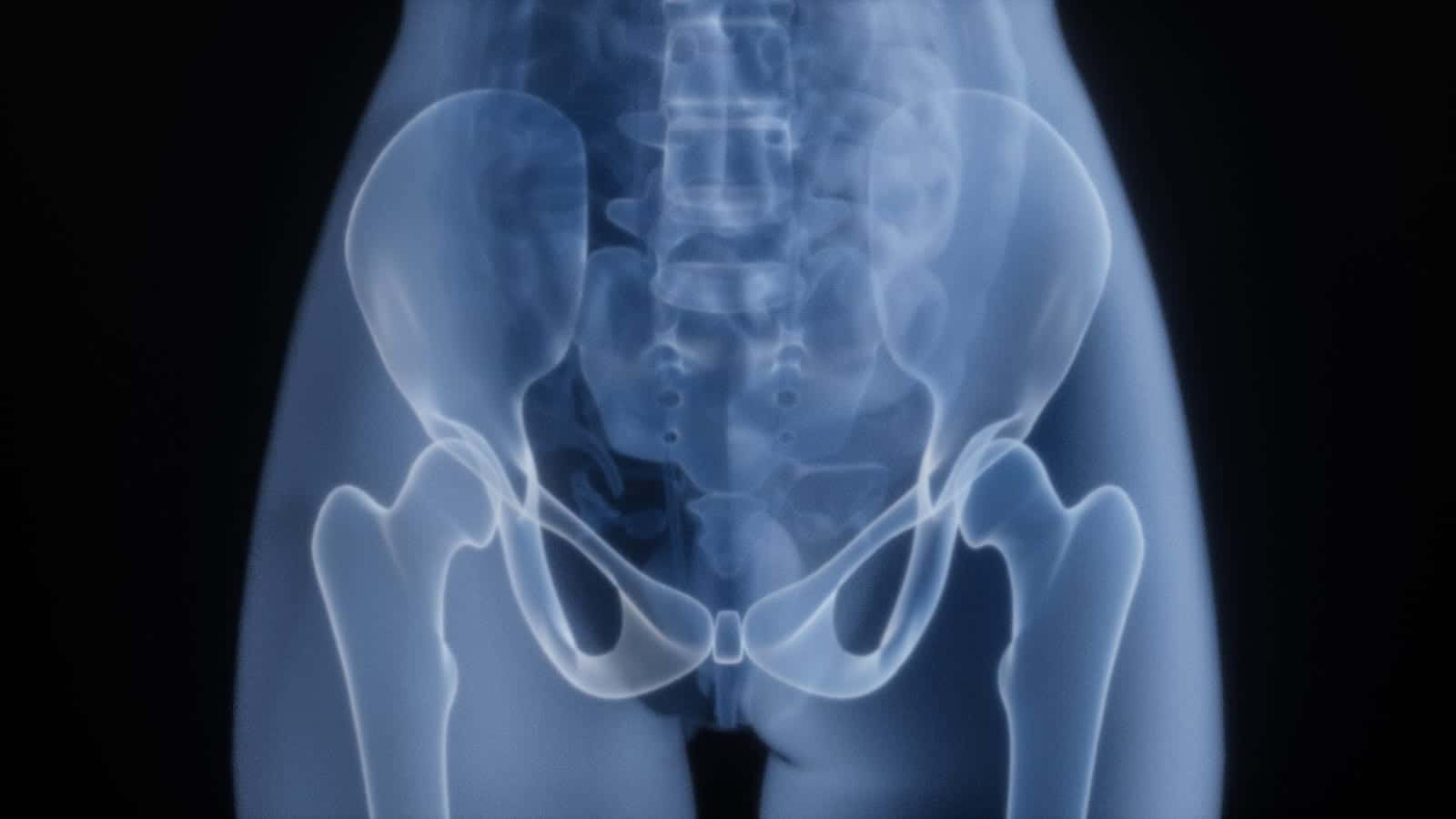
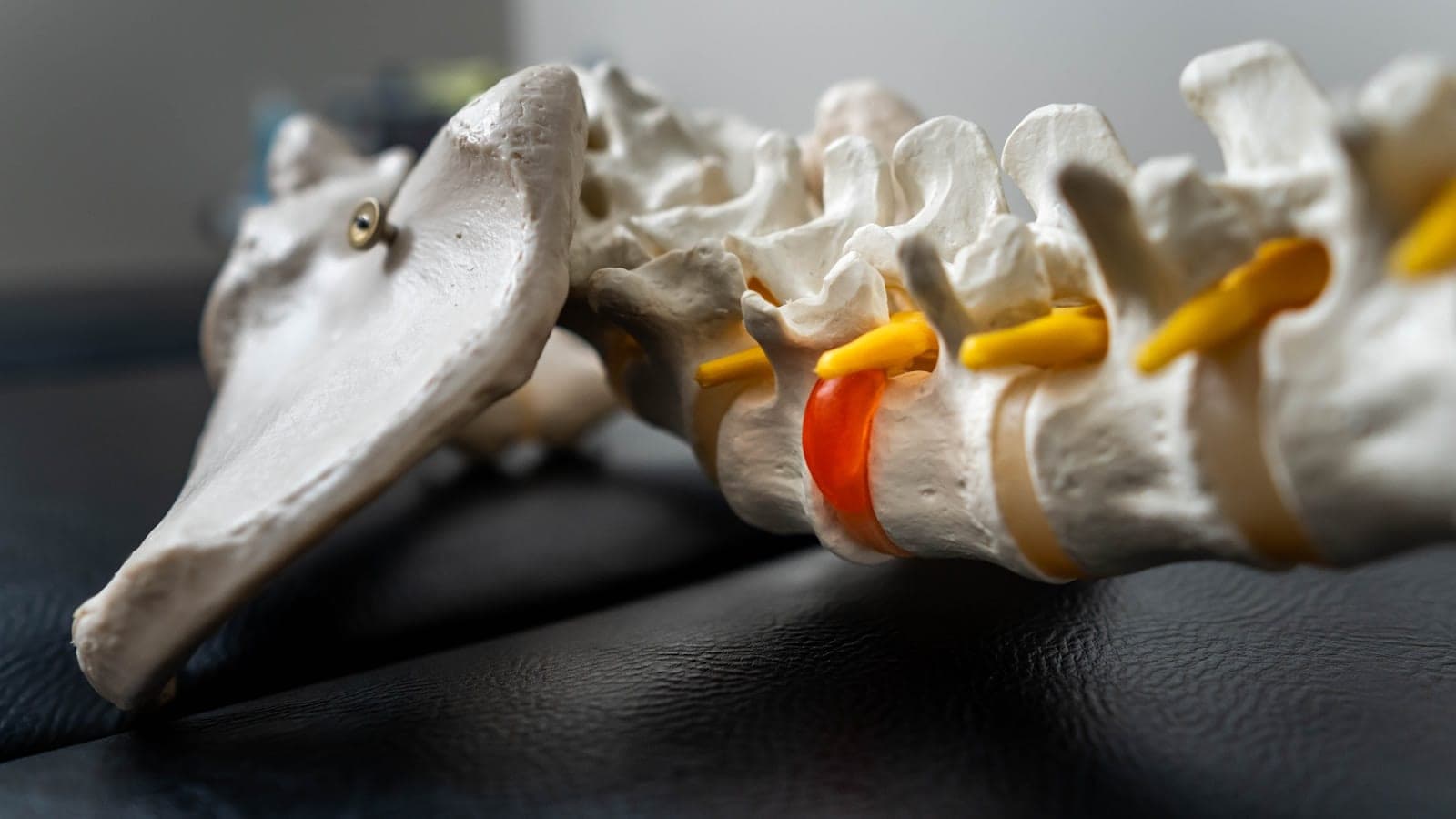
Spondyloarthritis is inflammation of the spine, the sacroiliac joints and the entheses, the points where ligaments and tendons anchor into bone. It typically begins between the late teens and the mid-thirties.
It is the most commonly missed diagnosis in rheumatology. Back pain in a young adult is assumed to be posture, a gym injury or a bad mattress, and the average delay to diagnosis runs to years. The pattern that gives it away is simple and specific: gradual onset, pain in the second half of the night, more than 30 minutes of morning stiffness, better with exercise and no better with rest.
MRI of the sacroiliac joints shows inflammation years before an X-ray changes, which means treatment can start while the spine is still fully mobile.
IllustrativeRecognising it
The clues that point to this group
Pattern recognition does more diagnostic work in rheumatology than any single test. These are the features that matter here.
Night pain that wakes you
Waking at 3 or 4 am with back pain, and needing to move around before it settles, is the classic history. Mechanical pain does not usually do this.
Alternating buttock pain
Pain that shifts from one side to the other points to sacroiliac inflammation rather than a disc.
Enthesitis
Heel pain at the Achilles insertion or under the sole, or tenderness at the elbow and chest wall, are inflammation at tendon insertions, a hallmark of this group.
Extra-articular clues
Recurrent painful red eye, psoriasis, or chronic diarrhoea and blood in stool. Each shifts the probability sharply and each changes which drug is chosen.
Investigation
The tests that separate these conditions
Only the investigations that answer a specific question — plus the safety screening required before any immunosuppression.
MRI sacroiliac joints
STIR sequences show bone marrow oedema years before X-ray change. This is what allows early diagnosis.
HLA-B27 typing
Interpreted strictly in context. Common in the Indian population; positive without inflammatory symptoms means very little.
X-ray sacroiliac and spine
Detects established sacroiliitis, vertebral squaring and syndesmophytes.
CRP and BASDAI/ASDAS scoring
Objective disease activity — what guidelines and insurers use to justify biologic therapy.
Treatment
How this is treated, step by step
A defined sequence with a defined review point at each stage — not an open-ended prescription.
- 01
Establish the pattern
ASAS-criteria assessment of inflammatory back pain, spinal mobility measurement and chest expansion.
- 02
Daily structured exercise
Extension, rotation and deep-breathing work. This is not an adjunct — done consistently it preserves posture and chest expansion measurably.
- 03
Continuous NSAIDs
Regular full-dose rather than on-demand, with gastric and renal protection planned alongside.
- 04
Biologic therapy
TNF or IL-17 inhibitors for disease that fails two NSAIDs. Choice guided by any history of uveitis or inflammatory bowel disease.
- 05
Protect the bone
Spondyloarthritis paradoxically causes osteoporosis. DEXA, vitamin D and fall precautions matter, a fused spine fractures easily.
Conditions in this group
3 conditions treated under spondyloarthritis & back pain
Each has a full patient guide covering symptoms, diagnosis, treatment and the warning signs that need urgent attention.
- Spondyloarthritis
Ankylosing Spondylitis
The back pain that improves with exercise and worsens with rest, and is missed for years.
Read the guide - Spondyloarthritis
Psoriatic Arthritis
When psoriasis moves into the joints, often years after the first skin patch.
Read the guide - Spondyloarthritis
Reactive Arthritis
Arthritis that follows an infection elsewhere, usually self-limiting, occasionally not.
Read the guide
Do not wait for an appointment if you have
- Sudden severe neck or back pain after even minor trauma, a fused spine fractures unstably
- A red, painful, light-sensitive eye — see an ophthalmologist the same day
- New leg weakness, numbness, or bladder or bowel changes
- Persistent fever and weight loss — spinal infection and TB must be excluded
Call the clinic on +91 70571 19999 or attend the nearest emergency department.
Questions
FAQs — spondyloarthritis & back pain
I am HLA-B27 positive. Do I have ankylosing spondylitis?
Will my spine fuse?
Is exercise safe if my back already hurts?
Also treated
Other treatment areas
Inflammatory Arthritis
Joint swelling that is driven by the immune system, not by wear.
Autoimmune & Connective Tissue Disease
Multi-system disease where the complications that matter are silent early.
Gout & Crystal Arthritis
The most curable arthritis there is, and the most commonly mistreated.
Osteoporosis, Osteoarthritis & Soft-Tissue Pain
The conditions where structured exercise outperforms most drugs.
Vasculitis
The one group in rheumatology where days of delay cost sight, kidneys or life.
Get a specialist opinion on spondyloarthritis & back pain
Consultations at the Ravet clinic in Pimpri-Chinchwad. Bring your previous reports — a properly reviewed history usually saves repeating tests.