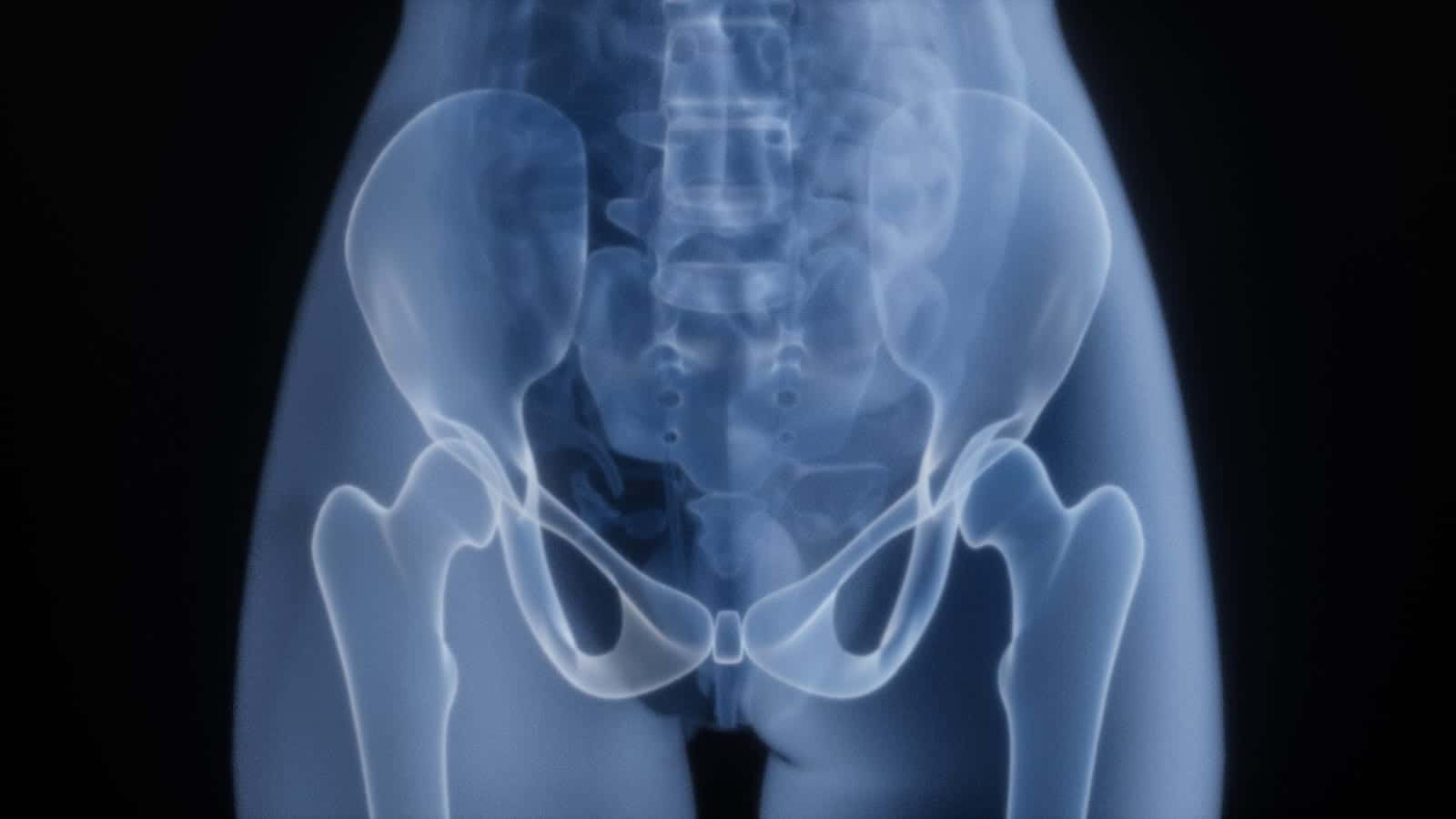
In short
Reactive arthritis is a sterile joint inflammation that develops one to four weeks after an infection at a distant site. Most often the gut or the genitourinary tract. The joint itself is not infected.
- Category
- Spondyloarthritis
- Seen first as
- Sudden painful swelling of a knee, ankle or foot joint, one to four weeks after a gut or urinary infection
- Treated with
- NSAIDs at full anti-inflammatory dose
What is Reactive Arthritis?
It classically affects a few large joints of the lower limb asymmetrically, often with enthesitis, dactylitis, eye inflammation and sometimes urethritis.
Most cases settle within three to six months. A minority persists and evolves into chronic spondyloarthritis, particularly in HLA-B27-positive patients.
 Illustrative
In the Indian context
Post-dysenteric reactive arthritis following Salmonella, Shigella or Campylobacter infection is comparatively common in India, and is frequently mistaken for rheumatic fever or dismissed as 'weakness after typhoid'.
Symptoms of Reactive Arthritis
Early signs
- Sudden painful swelling of a knee, ankle or foot joint, one to four weeks after a gut or urinary infection
- Asymmetric involvement of a few lower-limb joints
- Heel pain from Achilles or plantar fascia enthesitis
- Red, gritty eyes (conjunctivitis)
- Burning on passing urine or urethral discharge
If left untreated
- Persistent arthritis lasting beyond six months
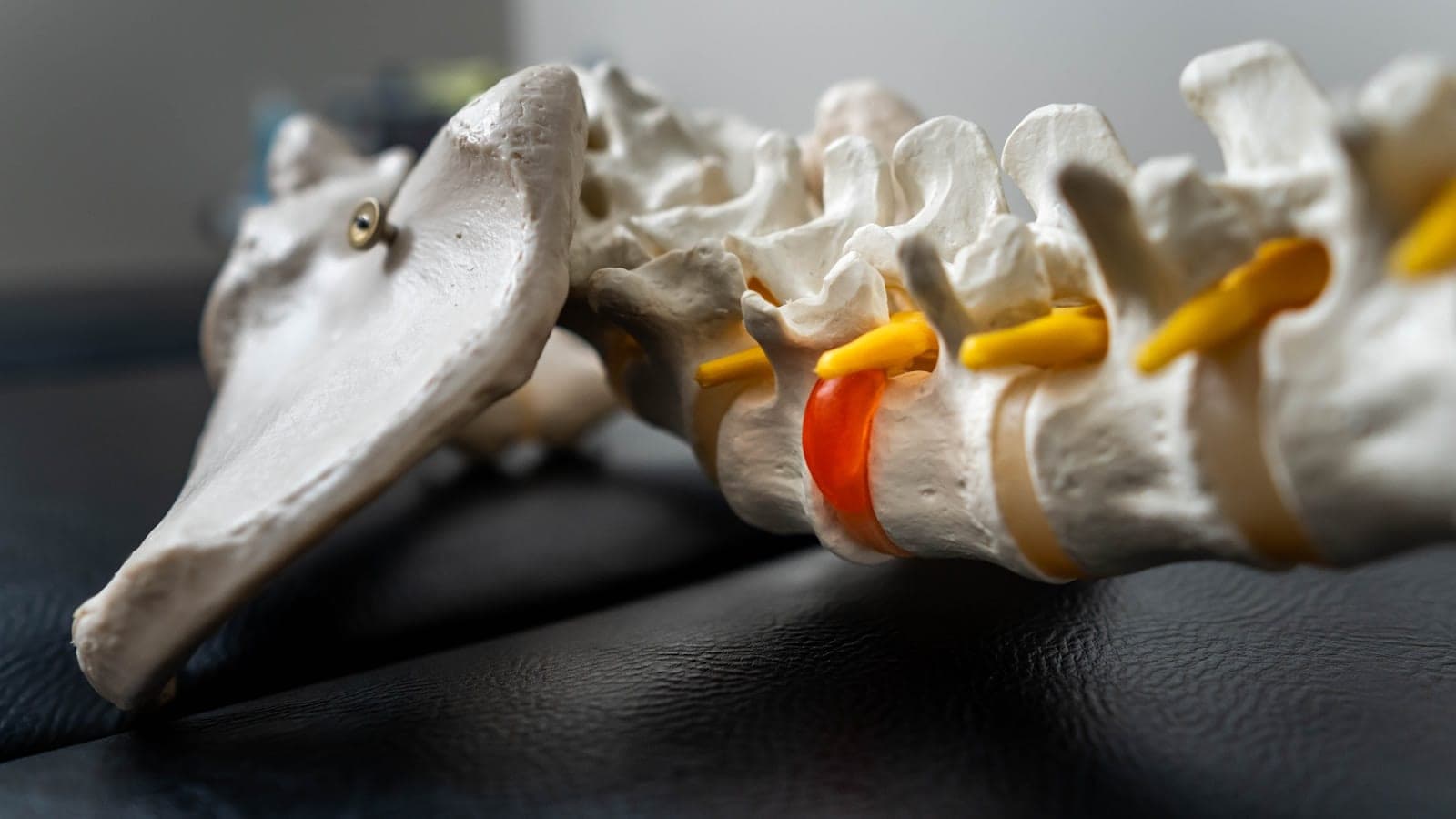
- Inflammatory low back pain and sacroiliitis
- Keratoderma blennorrhagicum on the soles, or circinate balanitis
- Nail changes resembling psoriasis
- Recurrent uveitis
Causes & risk factors
- Gastrointestinal infection: Salmonella, Shigella, Campylobacter, Yersinia
- Genitourinary infection: Chlamydia trachomatis, Ureaplasma
- HLA-B27 positivity, which raises both risk and likelihood of chronicity
- Rarely, post-vaccination or other infective triggers
How Reactive Arthritis is diagnosed
No single test diagnoses a rheumatic disease. The diagnosis comes from combining the pattern of symptoms, the examination findings, and only the investigations that answer a specific question.
 Illustrative
Detailed infection history
Specific questioning about diarrhoea, fever or urinary symptoms in the preceding six weeks. Patients rarely connect the two themselves.
Joint aspiration
Essential to exclude septic arthritis and crystal disease. In reactive arthritis the fluid is inflammatory but sterile.
Infection testing
Stool culture, Chlamydia NAAT on first-void urine, and HIV testing where the presentation is severe or atypical.
HLA-B27 and inflammatory markers
Support the diagnosis and help predict which patients will develop chronic spondyloarthritis.
Imaging
Ultrasound for enthesitis and effusion; sacroiliac imaging where back pain persists.
Treatment options
 Illustrative
NSAIDs at full anti-inflammatory dose
First-line, and sufficient for the majority of cases.
Intra-articular corticosteroid injection
Highly effective for one or two persistently swollen joints, once infection has been definitively excluded.
Treating the triggering infection
Antibiotics for confirmed Chlamydia, including partner treatment. Antibiotics do not shorten post-dysenteric arthritis once it has started.
DMARDs for persistent disease
Sulfasalazine or methotrexate when arthritis continues beyond three to six months.
Biologics for chronic cases
TNF inhibitors for the small proportion that evolves into treatment-resistant chronic spondyloarthritis.
Physiotherapy
Maintains range of movement and manages enthesitis, especially at the heel.
Medicine guides
How to take them, side effects, blood tests and pregnancy, for the medicines most often used for this condition.
Seek urgent medical attention if you have
- A single hot joint with high fever — septic arthritis until proven otherwise
- Painful red eye with visual blurring (uveitis, not conjunctivitis)
- Symptoms persisting beyond six months
- New back pain and morning stiffness suggesting progression to axial disease
- Severe or unusual presentation warranting HIV testing
Do not wait for a scheduled appointment for any of the above. Call the clinic on +91 70571 19999 or attend the nearest emergency department.
Frequently asked questions about Reactive Arthritis
Will it go away on its own?
Do I need antibiotics?
Can it come back?
Get an expert opinion on Reactive Arthritis in Pune
Consultations at the Ravet clinic in Pimpri-Chinchwad. Bring your previous reports — a properly reviewed history usually saves repeating tests.
Part of a wider group
Spondyloarthritis & Back PainBack pain that is worse at rest and better with movement is not a mechanical strain.How reactive arthritis is treated at the clinic
Reactive Arthritis is managed under spondyloarthritis & back pain — the same pathway, targets and monitoring schedule described in full on that page.
Related conditions
Ankylosing Spondylitis
The back pain that improves with exercise and worsens with rest, and is missed for years.
Psoriatic Arthritis
When psoriasis moves into the joints, often years after the first skin patch.
Gout
The most curable form of arthritis, and the most commonly mistreated.