In short
Pseudogout results from calcium pyrophosphate dihydrate crystals depositing in cartilage. When they shed into the joint space they trigger an acute attack that can be clinically indistinguishable from gout.
- Category
- Crystal & Metabolic
- Seen first as
- Sudden swelling, warmth and severe pain in the knee or wrist
- Treated with
- Aspiration plus intra-articular steroid
What is Pseudogout (CPPD)?
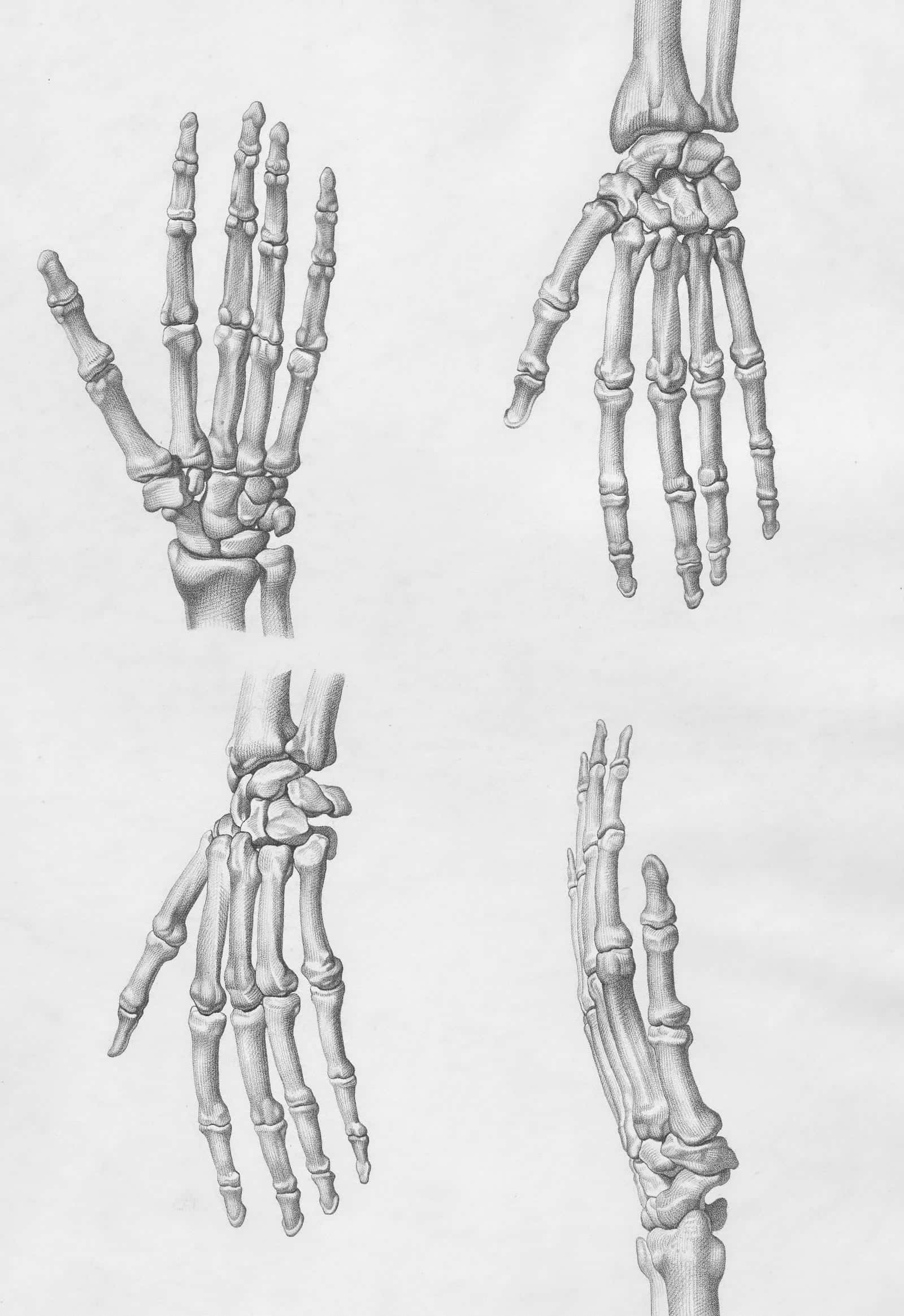
The knee and wrist are the classic targets, unlike gout's preference for the big toe. It becomes considerably more common with age and often accompanies osteoarthritis.
Critically, urate-lowering drugs do nothing for pseudogout. Distinguishing the two by examining joint fluid prevents years of ineffective treatment.
 Illustrative
Symptoms of Pseudogout (CPPD)
Early signs
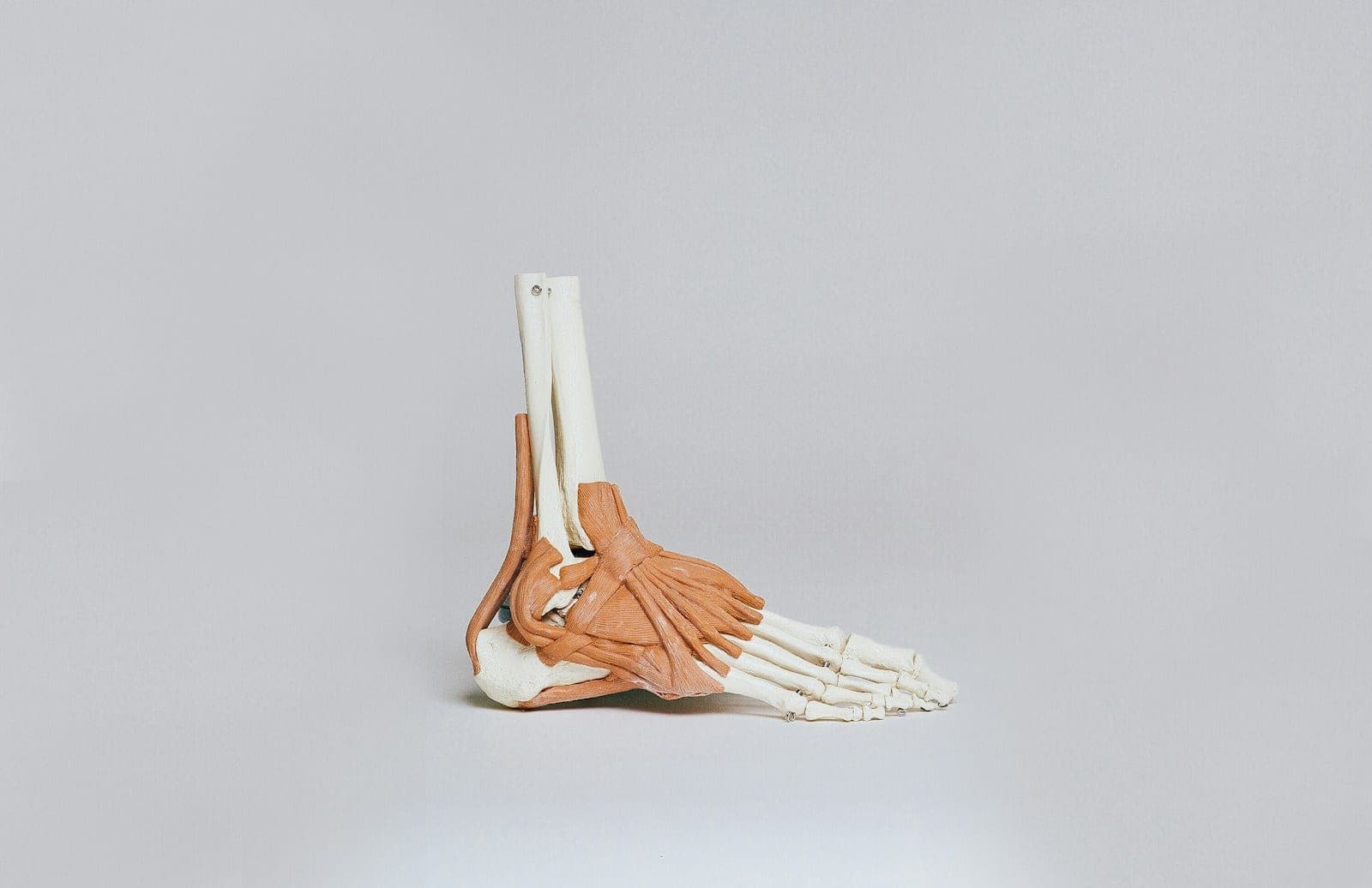
- Sudden swelling, warmth and severe pain in the knee or wrist
- An attack developing over 12–36 hours, often after surgery, illness or dehydration
- Low-grade fever accompanying the attack
- Chalky calcification of cartilage visible on X-ray (chondrocalcinosis)
- Attacks lasting days to a few weeks, then resolving
If left untreated
- Chronic CPPD arthritis mimicking rheumatoid arthritis in the wrists and knuckles
- Progressive joint damage and secondary osteoarthritis
- Neck pain and stiffness from crowned dens syndrome
- Frequent recurrent attacks affecting multiple joints
Causes & risk factors
- Advancing age, the strongest risk factor by far
- Pre-existing osteoarthritis and previous joint injury
- Hyperparathyroidism, haemochromatosis, hypomagnesaemia and hypophosphatasia
- Acute illness, surgery or dehydration acting as a trigger
- Familial forms with early onset
How Pseudogout (CPPD) is diagnosed
No single test diagnoses a rheumatic disease. The diagnosis comes from combining the pattern of symptoms, the examination findings, and only the investigations that answer a specific question.
 Illustrative
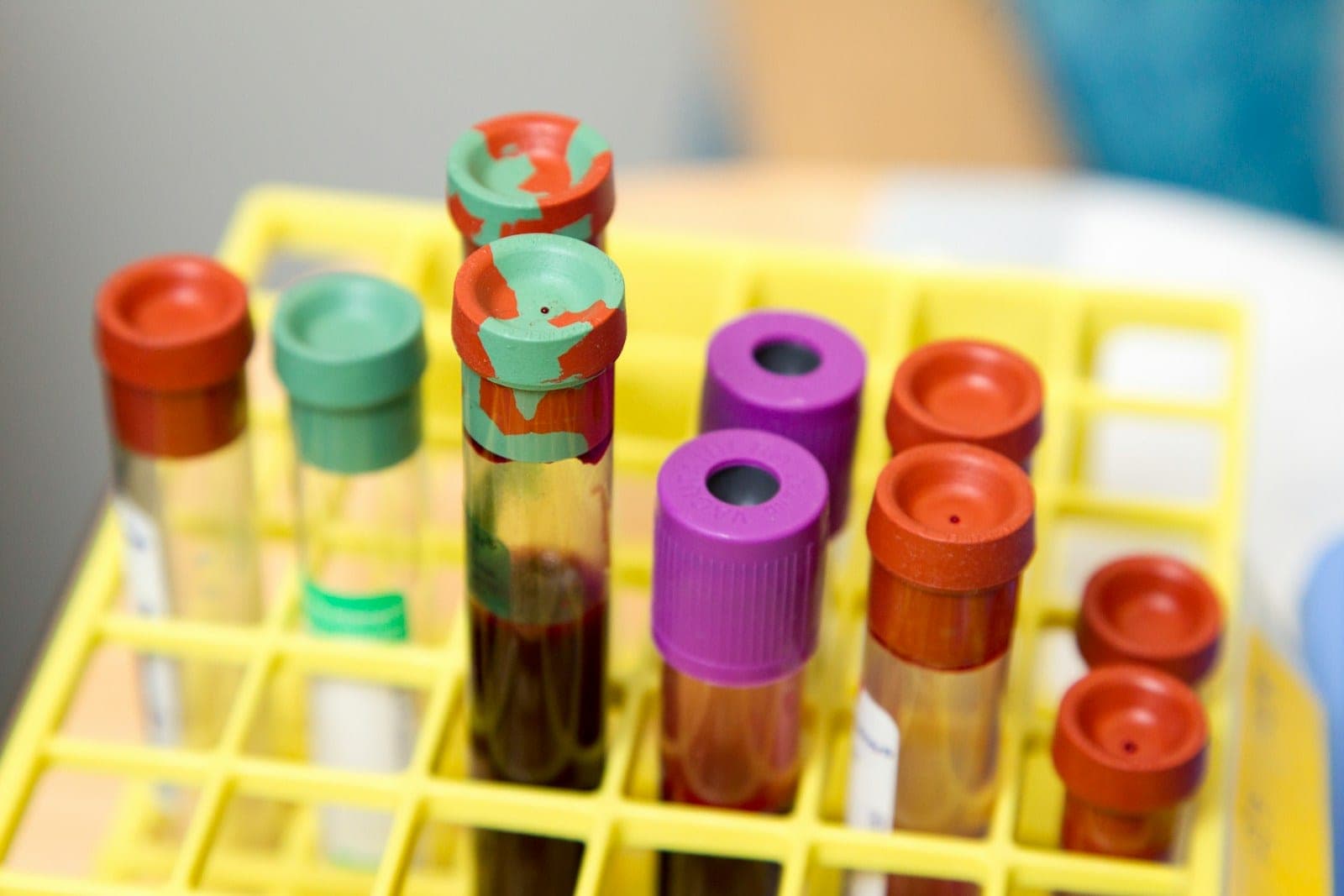
Joint aspiration and polarised microscopy
Rhomboid, weakly positively birefringent crystals, the definitive distinction from gout's needle-shaped negatively birefringent crystals.
X-ray chondrocalcinosis
Linear calcification in knee menisci, the wrist triangular fibrocartilage and the symphysis pubis.
Ultrasound
Hyperechoic deposits within the cartilage itself, as opposed to gout's surface double-contour sign.
Metabolic screening in younger patients
Calcium, PTH, magnesium, phosphate, ferritin and alkaline phosphatase — pseudogout before 55 demands a search for an underlying cause.
Exclusion of septic arthritis
Always. Culture is sent on every aspirate, because infection and crystals can coexist.
Treatment options
 Illustrative
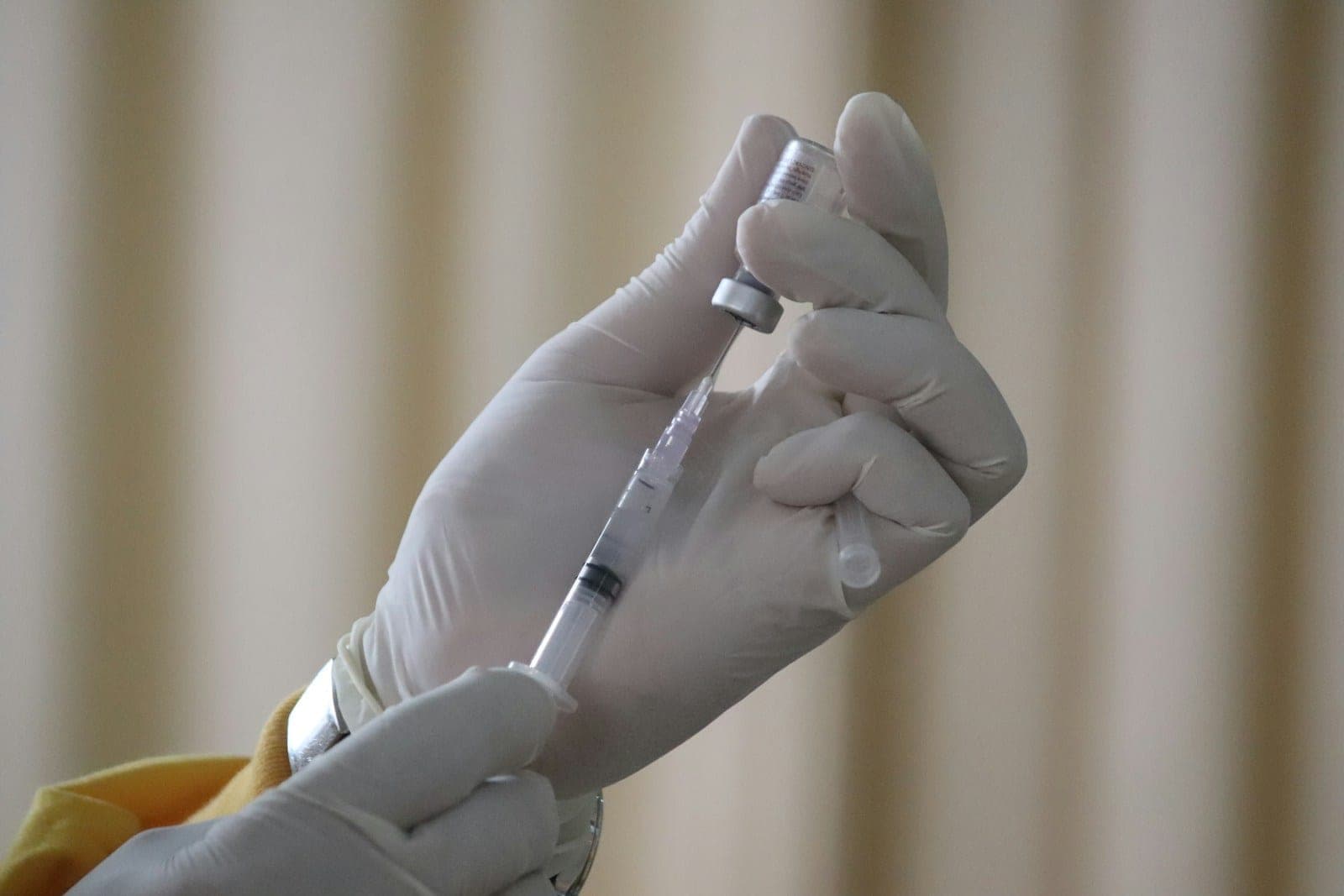
Aspiration plus intra-articular steroid
Often the fastest and most effective treatment for a single large joint, and diagnostic at the same time.
NSAIDs or short-course oral steroids
For polyarticular attacks or where injection is impractical, chosen with attention to kidney function in older patients.
Colchicine
Both for acute attacks and as low-dose prophylaxis in patients with frequent recurrences.
Treating the underlying metabolic cause
Correcting hyperparathyroidism, magnesium deficiency or iron overload reduces future attacks.
Long-term joint care
Muscle strengthening, weight management and monitoring for progressive structural damage.
Seek urgent medical attention if you have
- Fever with a hot swollen joint. Septic arthritis must be excluded by aspiration
- Severe neck pain with fever and stiffness (crowned dens syndrome)
- Pseudogout under age 55 — screen for metabolic disease
- Rapid joint destruction on serial imaging
Do not wait for a scheduled appointment for any of the above. Call the clinic on +91 70571 19999 or attend the nearest emergency department.
Frequently asked questions about Pseudogout (CPPD)
How is pseudogout different from gout?
Can pseudogout be prevented?
Why did it start after my surgery?
Get an expert opinion on Pseudogout (CPPD) in Pune
Consultations at the Ravet clinic in Pimpri-Chinchwad. Bring your previous reports — a properly reviewed history usually saves repeating tests.
Part of a wider group
Gout & Crystal ArthritisThe most curable arthritis there is, and the most commonly mistreated.How pseudogout (cppd) is treated at the clinic
Pseudogout (CPPD) is managed under gout & crystal arthritis — the same pathway, targets and monitoring schedule described in full on that page.
Related conditions
Gout
The most curable form of arthritis, and the most commonly mistreated.
Osteoarthritis
India's most common joint disease, and far more treatable than 'nothing can be done'.
Rheumatoid Arthritis
Symmetric small-joint swelling that responds best when treated within the first 12 weeks.